Shape the future of your
research in Denmark
Where world-class research meets world-class living
Research that goes beyond the lab
In Denmark, we get it: groundbreaking research needs more than shiny labs and impressive titles.
It takes the right environment. That's why we offer the freedom, secure funding, and support to focus on what matters — shaping the future of your research, your way.
It’s not just about prestigious institutions; it’s about a collaborative community where your ideas are heard and supported, and the impact of your work is felt far beyond the lab. With extensive industry partnerships and opportunities for real-world application, you’ll be pushing boundaries, not paperwork.
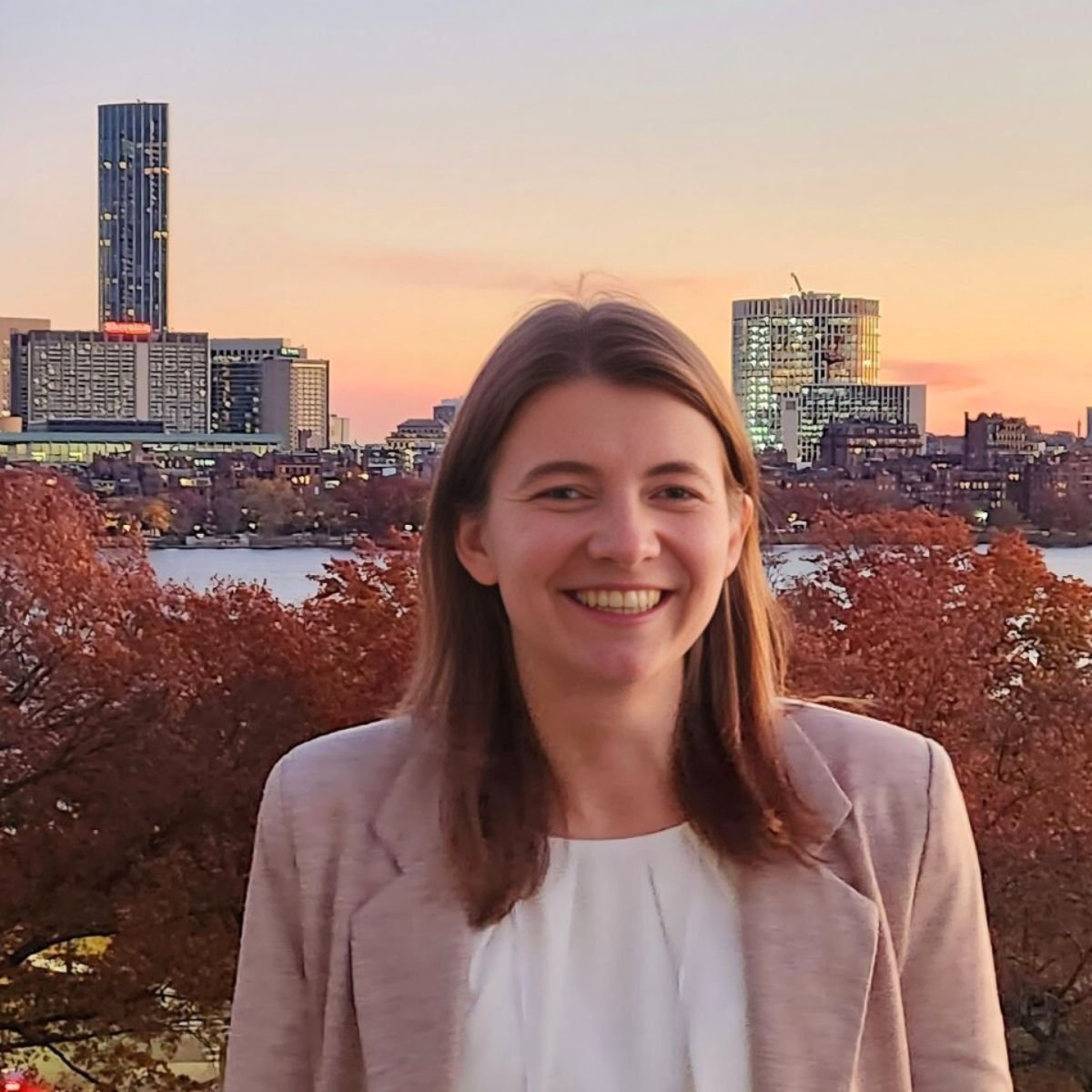
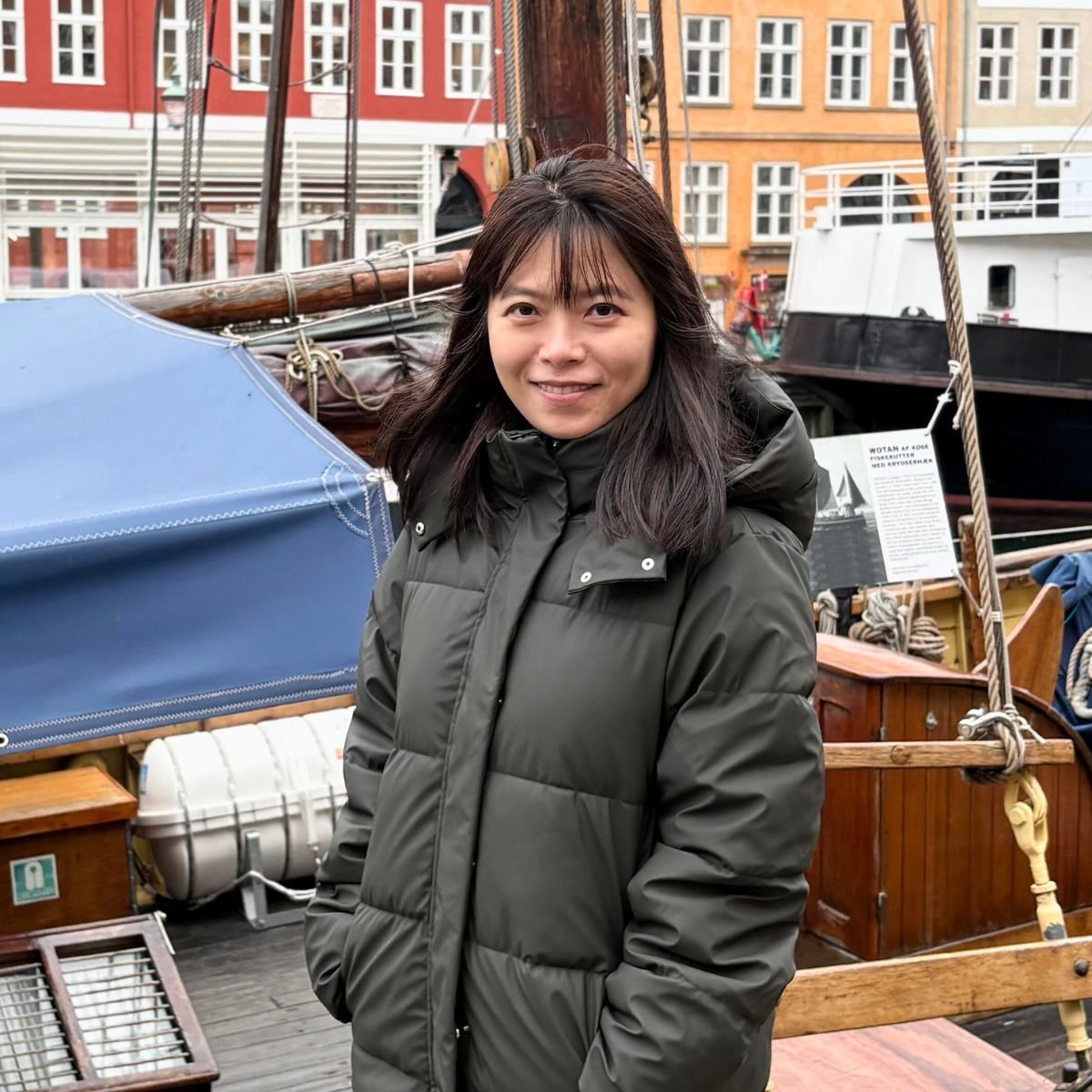
Daniel Rasmussen

Marvin Kuhr
Why Denmark?
01

02

03

04

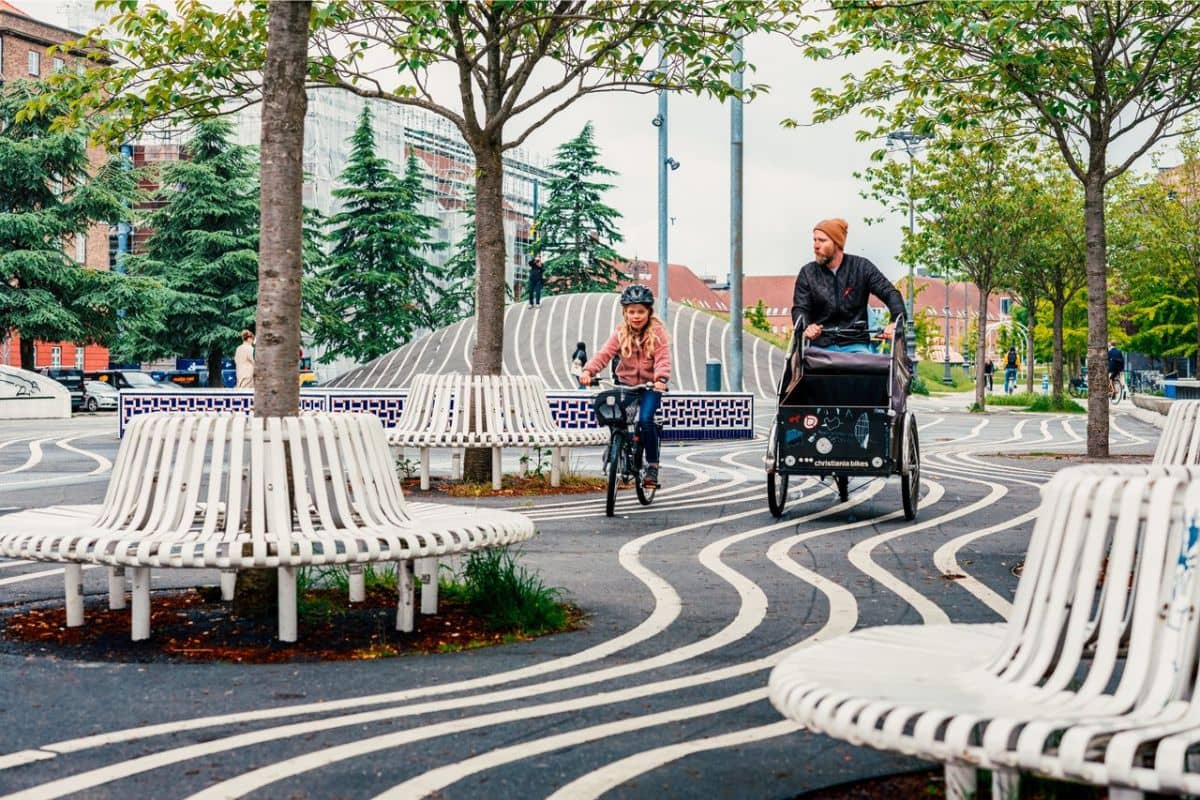
Life that goes beyond the workplace
Denmark is famous for its work-life balance—and here, that’s more than just a buzzword.
While you create a lasting impact in your field, Denmark has all you need for relaxation, adventure, and growth. From winter bathing to weekend retreats, get ready to thrive both professionally and personally.
We believe that a balanced life leads to better research — because happier, well-rested researchers push innovation to new heights. Research thrives when life does too.
Thomas Høyrup Christensen
Daniel Rasmussen
Daniel Rasmussen

Destination Sønderjylland
Ready to take the next step in your research?
Explore exciting opportunities in Power-to-X, Neuroscience, Biosolutions, and Quantum.

Postdoc position for 3 years in stem cell-based disease modelling of Parkinson’s disease
The Kirkeby research team is located at the The Novo Nordisk Foundation Center for Stem Cell Medicine (reNEW) at the Faculty of Health and Medical Sciences of University of Copenhagen. Our group works with stem cell-based models to produce high-quality neuronal, glial, 3D and assembloid models. We use these to develop stem cell transplantation therapies for neurodegenerative disorders as well as to perform disease modelling of CNS diseases in vitro. Our work has a strong translational focus, and we build our research on decade-long experience in clinical translational from bringing the first European pluripotent stem cell therapy for Parkinson’s Disease into clinical trial. In our disease modelling projects, we work on Parkinson’s disease, Lewy Body dementia, Alzheimer’s disease, schizophrenia and models of hypothalamic appetite regulation. We offer creative and stimulating working conditions in a dynamic and highly international research environment. Our team at University of Copenhagen currently consists of around 20 team members representing 13 different nationalities. Our students and postdocs always work collaboratively together in teams towards common goals to ensure that no one is left to work alone on a project. Our labs are located in the Center for stem cell medicine (reNEW), placed in modernised research facilities and include state-of-the-art laboratories, pleasant office facilities and access to high-quality core facilities in transcriptomics, imaging, flow cytometry and proteomics. You can read more about the team here. Job description We are seeking a highly motivated and ambitious postdoctoral candidate with a strong research background from the field of stem cell biology, neuroscience or similar. You will be part of a large interdisciplinary consortium project studying the effect of pesticides and environmental toxicants on the development of Parkinson’s Disease. As part of the consortium, you will interact closely with toxicologists, epidemiologists, clinicians and chemical analysts to identify links between environmental toxicants/pesticides and Parkinson’s Disease. You will as part of the consortium further gain unique access to meetings and close interactions with hundreds of prominent Parkinson’s researchers world-wide. This position offers a rare opportunity to work at the interface of stem cell biology, toxicology, neurodegeneration, and advanced data science, using state-of-the-art human stem cell models to uncover previously unrecognized environmental risk factors for Parkinson’s Disease. You will, in close collaboration with a PhD student, investigate the effects of the toxicants in a physiologically relevant stem cell model of co-cultured neuronal and glial cells relevant to Parkinson’s Disease. You will find As the postdoctoral fellow, you will: Drive hypothesis formulation, method development, and experimental design of the project based on literature and input from consorium partners Lead a systematic in vitro screening of environmental toxicants on human stem cell-derived neuronal and glial cells using high-content imaging and dopamine sniffer cells. Co-supervise and collaborate daily with a PhD student working on complementary aspects of the project. Work with consortium partners to translate findings from epidemiologists and toxicologists into mechanistic testing in vitro. Engage with an enthusiastic, collaborative team of stem cell biologists, neuroscientists, and bioinformaticians working on parallel disease modeling efforts. The technologies you will apply are: Culturing and subtype-specific differentiation of human pluripotent stem cells into neurons, astrocytes and microglia Assessment of neuronal subtypes in the dish through qRT-PCR and immunocytochemistry Scaling up of stem cell cultures to high-throughput multiwell format for automated analysis High-throughput screening of pesticides and toxicants in the dish for assessment of pathology Assessment of neuronal function and neuronal network activity in complex mixed neuronal cultures through multi-electrode array (MEA) analysis, calcium imaging, analysis of neurotransmitter release and automated immunofluorescence imaging Performing single cell RNA sequencing (Parse platform) and working with bioinformaticians on analysing the data Key criteria for the assessment of the applicants The following requirements for the candidate will be assessed as key criteria for the recruitment. Mandatory requirements: Master’s degree related to the subject area of the project e.g. Biology, Biomedicine, Biotechnology, Human Biology, Medicine or similar PhD degree in the field of stem cell biology, neuroscience, developmental neurobiology or neurodegenerative diseases Prior experience in stem cell-based disease modelling and/or in the field of neurodegenerative diseases Strong scientific productivity as demonstrated by publications Collaborative mindset with strong team spirit Fluency in English, written and spoken. Positively assessed criteria: Prior experience in neuronal, microglial and/or astrocyte differentiation Prior experience in high-throughput screening assays and high-content image analysis Prior experience in working with assessment of neuronal connectivity, synapse formation or neuronal function (i.e. electrophysiology or MEA) Prior experience in qRT-PCR, ICC, confocal imaging and automated image analysis Prior experience in CRISPR/Cas9 gene editing of hiPSCs and hESCs Prior experience in single cell RNAseq (wet lab and bioinformatic analysis) It is expected that you as the candidate will perform an independent research project with a high degree of autonomy in project planning, and that you positively embrace collaborations with other team members on your own project as well as the projects of your colleagues. Overall, it is expected that you contribute actively to a pleasant work environment within the group. A strong academic track record with a productive publication list and positive reviews from previous supervisors, collaborators or mentors will also weigh strongly in the assessment. Contact information For questions about the project and group, please contact the principal supervisor: Associate Professor Agnete Kirkeby, Novo Nordisk Foundation Center for Stem Cell Medicine e-mail: agnete.kirkeby@sund.ku.dk phone: +45 5168 5353
Postdoc in Robotics-assisted Strain Characterization – Advancing Sustainable Agriculture
This postdoctoral researcher position offers a unique opportunity to join a dedicated, international team of scientists working within the IBIS initiative at DTU and its partner institutions worldwide. You will work collaboratively to address foundational biological questions about the biology of microbial biofertilizers, enabling the efficient engineering and development of solutions. Your contributions will include developing and implementing new robotics-assisted high throughput assay to screen for and characterize microbial biosolutions as an essential part of the Biosolutions Development Pipeline. You will further use the data generated to help us identify and characterize the functional traits that are key for the manufacturability and in field performance of microbial biofertilizer.
Quantum Optics Scientist
You will be part of DFM's quantum metrology team, which currently consists of 8 researchers. The team works with metrology for various fields within quantum communication and sensing, such as quantum key distribution, quantum networking, single-photon calibration and generations, quantum enhanced measurement and imaging using nonclassical states of light, characterization of integrated photonic circuits, frequency stabilized lasers for optical clocks and quantum technology applications, frequency combs, time & frequency metrology, and quantum magnetometry.
Postdoc in atomic and nanoscopic dynamics in quantum materials
Looking for a candidate to lead our X-FEL and synchrotron-based experiments to study the dynamics of light-induced phase transitions on atomic and nanoscopic length-scales driven by optical and phononic excitation. The focus will be on understanding how different excitation methods generate polarons and correlated materials in the cuprates and other quantum materials, building on our recent results in the vanadium dioxide (see Johnson et al. Nature Physics 20, 970 (2024)).
Assistant professor in seed science
The Department of Agroecology at Aarhus University, Denmark, is offering a position as Assistant professor focusing on seed science. The position will be available from 01-06-2026 or as soon as possible thereafter. The position will be available for a 3-year period. You will be part of a research environment focusing on seed science and plant genetic resources. You will work on a number of projects to answer questions around seed longevity, seed development, dormancy and germination in response to abiotic stresses.
PhD positions in hadal biogeochemistry & microbial ecology
The Danish Center for Hadal Research (HADAL) at the Department of Biology, University of Southern Denmark, invites applicants for 5 Ph.D. positions in deep-sea biogeochemistry and microbial ecology. The positions are fully funded for 3 years by the Danish National Research Foundation and The Independent Research Fund Denmark. The respective Ph.D. projects are expected to be initiated during the period from July to October 2026. HADAL is a Center of Excellence that explores life and element cycling in the deepest oceanic realm. The Center was founded in 2020, engages about 35 students, technicians and scientists and has a large international network of collaborators. We seek committed candidates that can work focused and independently but that flourish in an international team having a strong, synergetic and multidisciplinary approach for solving important research challenges. The scientific approach is based on advanced theoretical and experimental studies, but international deep-sea expeditions are critical for our scientific advances. Candidates for the positions should be prepared for several weeks long international voyages. The specific profiles for the 5 available Ph.D. positions are outlined below:
PhD scholarship in Experimental Quantum-Optical Characterization of Quantum Light Sources
You overall focus will be to fabricate single-photon emitters and characterize them in our quantum-optical laboratory. You will work with quantum emitters in layered transition-metal dichalcogenides (TMDs), such as WSe2 and MoTe2, and on semiconductor quantum dots (QDs) of the III-V group, such as GaAs and InGaAs. The primary tasks will be to: Build optical setups for device characterization at cryogenic temperatures. Perform spectroscopy and optical imaging of quantum emitters. Perform advanced coherent excitation of individual emitters with picosecond laser pulses. Perform quantum-optical characterization of your devices, for example by testing the single-photon purity in a Hanbury-Brown and Twiss experiment, or the single-photon indistinguishability in a Hong-Ou-Mandel experiment. Present you results to the group and engage in discussions with the theoretical team. Co-supervise BSc and MSc student projects.
Postdoc in Chemical Biology to combat antimicrobial resistance
A 24-month postdoctoral position is available in organic synthesis and drug development at the Department of Chemistry, Technical University of Denmark, starting from August 2026. The project will be supervised by Professor Katrine Qvortrup (DTU Chemistry) in collaboration with Asst. Prof. Eli N. Weinstein (DTU Chemistry), and Prof. Tim Tolker-Nielsen (UCPH Immunology & Microbiology), and is funded by a Novo Nordisk Foundation Exploratory Interdisciplinary Synergy grant. The project aims to develop new antibiotic compounds that evade both current and likely future resistance mechanisms.
Assistant and/or Associate Professors for SDU Center for Energy Informatics
The SDU Center for Energy Informatics, Faculty of Engineering, University of Southern Denmark (SDU), invites applications for one or more Assistant and/or Associate Professor positions within Energy Informatics. The positions are available from September 1, 2026, and the specific start date will be agreed upon with the successful candidates.
PhD scholarship in Machine Learning-Accelerated Reaction Mechanism Discovery
Join a young research group dedicated to transforming materials discovery from empirical exploration to predictive design. Our research program builds on a synergy of high-throughput virtual screening, generative machine learning (ML) models, and automated reaction exploration to gain insights into complex chemical systems. This is an opportunity to work at the forefront of computational chemistry and develop new methodologies that push simulations into length- and time-scales that traditional methods cannot reach. You will be embedded in the Pioneer Center CAPeX, an interdisciplinary hub that hosts multiple research groups working on self-driving laboratories. This environment allows for close integration between your computational models and high-throughput experimentation platforms.
Postdoctoral Researcher in Quantum Systems Modeling & AI
In this role, you will drive the development of a framework for device-specific digital twins, implementing a full-stack modeling framework that translates low-level multiphysics interactions into high-level system-level insights. Your work will be essential to exploring large design spaces, predicting device behavior, and identify optimal parameters without the prohibitive cost of fabricating numerous physical prototypes.
Postdoc in Quantum Emitter Fabrication in 2D Materials
Your overall focus will be to fabricate and characterise single-photon emitters and spin defects in hexagonal boron nitride (hBN) and related 2D materials, and to integrate these into device architectures relevant to quantum sensing and quantum information. You will work closely with the PIs and with project collaborators, contributing to both experimental development and scientific publication. Your primary tasks will be to: Create quantum emitters in hBN and other wide-bandgap 2D materials via ion irradiation, plasma treatment, and focused ion/electron beam processing Support and perform optical and spin characterisation including confocal photoluminescence, and magnetic resonance Assemble van der Waals heterostructures and integrate them into device geometries for the application of electric fields Collaborate with project partners and contribute to dissemination through publications and conferences
Assistant Professor Positions at the Department of Biology
We are thus looking for excellent researchers and teachers that add to the Department’s knowledge, skill and training base for topics of interest for societal partners such as government agencies, municipalities, companies, NGO’s, advisory councils, etc. The Department is especially interested in applicants with research focuses in one of the following areas: Ecological Botany Effects of multiple stressors Landscape Ecology & Conservation Modeling We are looking for excellent colleagues from these fields in Biology, who can either strengthen or complement the current research in Biology at our department. The areas of expertise that we are seeking are described in more detail here:
Postdoc in Chemistry – Expertise in Organic & Inorganic Synthesis and Electrochemistry
We seek highly motivated and creative researchers holding a PhD in chemistry, materials science, engineering, or a related discipline, with a proven track record of high-quality, independent research. Responsibilities: Design and carry out organic and inorganic syntheses Develop and optimize electrochemical experiments and measurements Characterize materials and compounds using standard analytical techniques Analyse data and document results Collaborate with researchers across different disciplines Contribute to publications, reports, and project deliverables
Epidemiological studies of amyotrophic lateral sclerosis
Amyotrophic lateral sclerosis (ALS), is among the most feared age-related neurodegenerative disorders, particularly due to the dismal prognosis. ALS typically strikes people in their 60’s and 70’s although it can occur at earlier ages as well. ALS affects muscle control and patients gradually lose the ability to move, speak, and breathe. Dementia, cognitive impairment and executive dysfunction have been detected in more than 50% of ALS patients. Most patients die of respiratory failure less than three years after the initial diagnosis. The underlying etiology of ALS is poorly understood and is one of most heterogeneous neurodegenerative conditions, in terms of etiology, phenotype and progression. However, great advances have been made in the genetics of ALS, but only an estimated 10% of cases are genetically inherited. Other lines of evidence have led to the suspicion that environmental factors may contribute to ALS risk. However, the identification of non-genetic risk factors for ALS has proven difficult. The project will be based on population nationwide data from high-quality Danish databases. All patients who have had hospital contact with an ALS diagnosis from 1980-2025 will be extracted from the National Patient Register and constitute the case population. We expect to include approximately 6000 ALS patients, which allows much higher statistical precision for studied associations than previous studies and offers unique opportunities to study associations between a rare condition, such as ALS, and other diseases, treatments and socioeconomic conditions. This allows us to investigate possible risk factors and prognosis. The results are expected to provide a better understanding of the disease mecha-nism that leads to the development of ALS and how the disease affects prognosis. By shedding light on these aspects, we hope to identify new targets for preventive and therapeutic interventions that can be tested in prospective studies. Further information Please contact Associate Professor Lotte Sahin Levison, lotlev@rm.dk for more information.
Tenure Track Assistant Professor in Cognitive Psychology
The Department of Psychology at the University of Southern Denmark invites applications for a full-time position as tenure-track Assistant Professor. The position is a six-year tenure-track appointment with the prospect of promotion to a permanent position as Associate Professor. Job description We are seeking candidates who will contribute to the development of research and research-based teaching that bridges cognitive theory and practice in health-related contexts. Experience with clinical populations or translational research will be considered an advantage. The department also aims to strengthen and further develop a research environment in cognitive psychology with a particular focus on visual perception, including visual attention, working memory, and visual neuroscience. We therefore welcome applicants who are motivated to contribute to and help drive this research agenda in a collaborative research setting. The successful candidate will have access to the department’s research infrastructure, including facilities for EEG, eye-tracking, and computer-based behavioral testing. The candidate is expected to contribute to teaching cognitive, biological, and experimental psychology, as well as research methods, and to supervise bachelor’s and master’s theses. In addition to research and teaching, the position includes responsibilities related to attracting external research funding, engaging in knowledge exchange with society, and contributing to administrative tasks at the department. The main place of employment and teaching will be at Campus Odense, with occasional teaching or administrative tasks at Campus Esbjerg. As collaboration across courses and campuses is central to our educational programs, applicants should be willing to coordinate teaching activities with both existing and new staff members. The successful candidate is required to complete the Lecturer Training Programme during the period of employment. International applicants are expected to learn Danish during the first years of their employment. The University of Southern Denmark offers Danish language courses to support this. The position is expected to commence in late autumn 2026. Contacts: If you have any questions about the position, please contact: Rikke Holm Bramsen, Head of Department, email: rholmb@health.sdu.dk , tel. +45 65 50 72 51 Prof. Søren Krogh Andersen, Head of the Unit for Health and Cognitive Psychology, email: skandersen@health.sdu.dk , tel. +45 24 98 41 01
PhD scholarship in “live” Visualization of Nanoparticle Catalysts at the Atomic-Scale
Are you passionate about pushing the frontier of catalysis science? The Center for Visualizing Catalytic Processes (VISION) at the Technical University of Denmark (DTU) is offering multiple PhD scholarships in 2026 focusing on nanoparticle catalysis using advanced operando electron microscopy. If you thrive in a collaborative, cutting-edge setting and want to make a global impact, we want to hear from you!
Associate Professors in Applied and Intelligent Power Electronic Systems
At the Faculty of Engineering and Science, AAU Energy, three permanent positions as Associate Professor within the Section of Applied Power Electronic Systems (APES) are open for appointments. The position is located at the Aalborg campus and is available from 1 September 2026 or as soon as possible thereafter. We invite applications from candidates who will strengthen and complement APES across electromagnetic compatibility, converter reliability and testing, advanced control of power converters and drives, and system-level optimization of converter-dominated and energy-storage-integrated systems.
Senior Researcher in Natural Product Chemistry
Do you want to work with Chemical Analysis of Small Biomolecules? And do you see yourself as a team player who is strong in collaboration? If yes, we look forward to reading your application to our position as Senior Researcher.
PhD Position in Brain-on-Chip device development for studying neuronal development - DTU Bioengineer...
If you are passionate about neural development and would like to leverage human pluripotent stem cell technology, nano and microfabrication, and 3D printing to develop Brain-on-Chip models to study neurodegenerative diseases and neural development, this is a position for you at DTU Bioengineering in the Bioanalytics group of Jenny Emnéus. About the position Brain disorders (BDs) have become one of the leading causes of disability worldwide, with an estimated one‑third to one‑half of all Europeans experiencing a BD at some point in their lifetime. Despite the large number of affected patient groups—ranging from neurodevelopmental (NDevD) to psychiatric disorders—there are currently no cures or disease‑modifying treatments available. As a result, BDs represent a major societal challenge and impose a substantial economic burden on Europe and the global community. This PhD position is part of the Marie Skłodowska-Curie Action Doctoral Network (MCSA-DN) VISI-ON-BRAIN (Cutting-edge human in vitro and in sIlico biomedical tools on brain disorders), which aims to use state-of-the-art micro/nano fabrication, 3D bioprinting, and human pluripotent stem cell (hPSC) technology to develop Brain-On-Chip devices for modelling neurodegenerative diseases and neural development to improve our understanding of the underlying causes and potential find a cure. Further information Further information may be obtained from Prof. Jenny Emnéus (jemn@dtu.dk) and Assoc. Prof. Arto Heiskanen (arhe@dtu.dk) You can read more about DTU Bioengineering at www.bioengineering.dtu.dk If you are applying from abroad, you may find useful information on working in Denmark and at DTU at DTU – Moving to Denmark. Furthermore, you have the option of joining our monthly free seminar “PhD relocation to Denmark and startup “Zoom” seminar” for all questions regarding the practical matters of moving to Denmark and working as a PhD at DTU.
Postdoc position in Molecular Quantum Materials
The project aims to develop new chemical strategies for the design of quantum materials by integrating functional molecules with layered two-dimensional materials. Combining concepts from coordination chemistry and solid-state chemistry, the research explores how molecules with tailored electronic and magnetic properties can be incorporated into van der Waals crystals to engineer magnetism, electronic structure, and symmetry at the atomic scale. This chemistry-driven approach opens new opportunities for creating quantum materials with emergent phenomena such as low-dimensional magnetism, tunable electronic phases, and potentially superconductivity, with relevance for spintronics and quantum technologies.
Research Data Steward for the IBIS Project
We are looking for a motivated and curious Research Data Steward to join the IBIS project at DTU Bioengineering. The Initiative for Biofertilizer Innovation and Science (IBIS) is an international research initiative focused on developing next-generation microbial biofertilizers through data-driven approaches and global collaboration.
Postdoc in Single-cell transcriptomics of the immune response in Parkinson’s disease
The Department of Biomedicine at Faculty of Health at Aarhus University invites applications for a position as Postdoc in the field of Transcriptomic analysis of the immune response in Parkinson’s disease as per 1 July 2026 or as soon as possible thereafter. The position is a fixed-term full-time position for 1 year, with possibility to prolong that to up to 2 years more). The Department of Biomedicine prioritizes diversity and a good work environment, as this is a prerequisite for groundbreaking research. In a diverse and international research environment, dedicated employees are looking to generate new knowledge within biomedical research areas such as infection and inflammation, membranes, neuroscience and personalized medicine. The Department of Biomedicine provides research-based teaching of the highest quality and is responsible for a large part of the medical degree programme. Academic staff contribute to the teaching. English is the preferred language in the laboratory, at meetings and at seminars. The department employs approx. 500 people from all over the world, and they make use of the department's modern laboratory-, core- and animal facilities. The Department of Biomedicine focuses on innovation, entrepreneurship and collaboration with business and industry, and numerous researchers from the department have established companies to develop new medicinal treatments founded in professional scientific basic research. You can read more about the department here and about the faculty here. PACE - Lundbeck Foundation Parkinson’s Disease Research Center You will be also part of PACE, the newly established Lundbeck Foundation Parkinson’s Disease Research Center, which is a translational research center focused on studies of Lewy body diseases. PACE consists of a close-knit community of world-leading research groups in basic and clinical Parkinson’s disease research, wherein a number of novel group leaders will be embedded. The center comprises research programs in clinical research and trials, longitudinal cohort building, multi-modal imaging, biobanks, epidemiology, neuropathology, wearables and biotech, experimental disease models including animal and cell models, and basic science programs in alpha-synuclein patho-mechanisms, neuroimmunology, and biomarker discovery. In two years, we expect to comprise 7-9 group leaders totaling 70+ researchers, students, and support staff. PACE is part of and collaborate closely with both Aarhus University, which is consistently ranked as one of the world’s top 100 universities, and Aarhus University Hospital, which in 2024 was elected Denmark’s best hospital for the 15th time. PACE’s mission is to take research in Parkinson’s disease to the highest level possible and to improve life for people with Parkinson’s disease or other neurodegenerative disorders. We focus on discovering and validating novel innovative tools, biomarkers and disease-modifying mechanisms, which within a 10-year time frame will be applied in clinical trials. You can read more about PACE here. You will report to the Professor Marina Romero-Ramos
PhD scholarship in Biological Fluid Mechanics
In this project, you will study transport in small pores and channels found in nature, with particular emphasis on plasmodesmata—tiny conduits that connect plant cells and enable the exchange of molecules essential for growth and communication.
Data analyst for large international collaborative project on menopause and mental health
SDU are looking for a data analyst – for example a biostatistician or epidemiologist with strong quantitative skills – to join the Research Unit for Child and Adolescent Psychiatry, Department of Clinical Research at the University of Southern Denmark, starting from August 2026 or later. The position is a 3-year full-time position and part of a large Wellcome Trust–funded international research project. Do you enjoy working with large health datasets and advanced statistical analyses? Would you like to apply your analytical expertise in a research project focused on women’s mental health across the menopausal transition? Then you might be the colleague we are looking for. This position suits both candidates who primarily enjoy data analysis and methodological work, as well as candidates with a research background who would like to remain engaged in scientific research and publications, but without necessarily pursuing a traditional academic career trajectory. A central part of the role is to help shape the analytical direction of the project. The successful candidate will work closely with the project investigators to develop and refine analytical strategies and will have the opportunity to contribute methodological ideas that strengthen the scientific rigour of the project. We therefore welcome applicants who enjoy thinking critically about study design, statistical methods, and interpretation of complex health data. Contact If you would like more information about the position, you are welcome to contact Professor Trine Munk-Olsen, tmun@sdu.dk.
Professor of Psychology and Placebo Effects in Pain and Neurological Disorders
The Department of Clinical Medicine at Faculty of Health at Aarhus University invites applications for a position as Professor in the field of psychology and placebo effects as per 1 August 2026 or as soon as possible thereafter. The position is a permanent full-time position. As a professor at the Department of Clinical Medicine, you will be part of what is probably the largest health science research department in Denmark. Our clinical research covers all the medical specialities and takes place in close collaboration with the university hospital and the regional hospitals in the Central Denmark Region. We have approx. 30,000 square metres of modern research facilities for experimental surgery and medicine, animal facilities and also advanced scanners at our disposal. The department has overall responsibility for the Master's degree programs in medicine and in molecular medicine. At the department we are approx. 425 academic employees and the same number of PhD students cooperating across disciplines. As a professor, you will be working at the Danish Pain Research Center, which is a unit under Department of Clinical Medicine placed at Aarhus University Hospital. The Pain center is a multidisciplinary clinic research center with the aim to study chronic pain, in particular to understand the mechanisms and improve the treatment of neuropathic pain. You can read more about the Pain Center here, the Department of Clinical Medicine here and about the faculty here. Questions about the position If you have any questions about the position, please contact Professor and head of Danish Pain Research Center, Nanna Brix Finnerup tel.: (+45.78463382) Your place of work will be the Department of Clinical Medicine, Palle Juul-Jensens Boulevard 165, DK-8200 Aarhus N, Denmark.
Head of Department, Department of Biology
The Faculty of Science (SCIENCE) at the University of Copenhagen is seeking a visionary, strategic, and collaborative Head of Department for the Department of Biology to take office on 1 September, 2026 or as soon as possible thereafter. The new Head of Department will lead one of Denmark’s largest and strongest research environments within the biological sciences.
Postdoc position in method development in human statistical genetics, with a focus on classification...
Research area and project description Applications are invited for a postdoc position at the Center for Quantitative Genetics and Genomics, Aarhus University, starting from 1st October 2026 or as soon as possible thereafter. The position will be for two years. The postdoc will be supervised by Professor Doug Speed, and based at the Department of Quantitative Genetics and Genomics (QGG) at Aarhus University. Dr Speed's research involves developing statistical methods for better analysing data from genome-wide association studies (GWAS), with a particular focus on improving our understanding of human complex traits. Dr Speed has developed the software package LDAK (www.ldak.org). The position will be mainly funded by an ERC consolidator grant, aimed at finding novels ways to classify complex diseases based on genetic data: “Many common diseases are highly heterogeneous, meaning that two individuals can be diagnosed with the same disease but have very different progressions or respond very differently to the same medication. These heterogeneous diseases affect a sizeable proportion of the population. For example, approximately one in four people will develop a heterogeneous brain disorder (e.g., a neurological condition such as epilepsy or Parkinson’s Disease, or a psychiatric condition such as depression or schizophrenia) To effectively treat a patient with a heterogeneous disease, it is necessary to quickly and accurately identify their subtype. At present, patient subtypes are decided using only clinical observations, and the process is highly suboptimal. For example, the available subtypes are often incomplete or poorly-defined, meaning that many patients are wrongly classified or can not be classified at all. Previous research indicates that for many heterogeneous diseases, the classification of patients can be improved by incorporating genetic information. However, for this to become a reality, requires statistical tools that do not yet exist. This project will develop novel statistical tools for classifying heterogeneous diseases based on genetic information.” As such, the primary aim of the postdoc is to develop a new tool for finding subtypes of heterogeneous diseases, that are more informative than existing clinically-derived subtypes (e.g., that better guide prognosis or drug treatment). These subtypes might be based on genetic information (e.g., SNPs and metabolites) or heritable phenotypes (e.g., biomarkers and traits related to the target disease). There is also scope within the postdoc for developing “more standard” GWAS tools (e.g., tools for association analysis, constructing polygenic scores and understanding genetic architecture). Contacts Applicants seeking further information are invited to contact doug@qgg.au.dk
PhD Position in Organic Chemistry
This ERC-funded project explores how visible light could have driven key chemical transformations relevant to the origins of life. While ultraviolet light has long been the focus of prebiotic photochemistry, this project shifts attention to visible light, as a milder and more abundant energy source on early Earth, and investigates its ability to drive catalytic reaction cycles in aqueous solution. The central objective is to discover and characterize photoredox catalytic systems, focusing on redox reactions and simple oligomerizations. By leveraging the properties of small molecule photocatalysts, the research will develop models of prebiotic chemistry that are both chemically and geochemically plausible.
Quantum Materials Engineer (Superconducting)
In this role, you will work at the intersection of materials science, fabrication, and quantum engineering – contributing directly to the advancement of quantum circuits and related components. You will collaborate closely with internal teams and external partners, play a central role in multiple research and development projects, and ensure high‑quality process execution through advanced characterization, documentation, and data‑driven methodologies. Additional key responsibilities and tasks may include: Develop wafer‑scale crystal growth processes using advanced deposition and characterization tools, with a strong focus on quantum circuits and related components. Participate in multiple R&D projects and provide regular updates on epitaxy processes and materials characterization to QF and NQCP stakeholders via Teams or project meetings. Establish and perform in‑line inspection workflows using tools such as XRD, SEM, AFM, and Sensofar for rapid materials development. Act as an expert in advanced crystal growth and fabrication processes for quantum chip manufacturing, collaborating with tool development teams to ensure alignment between process requirements and tool specifications. Create and maintain comprehensive documentation including process flows, experimental results, and Standard Operating Procedures (SOPs). Support the process development team in implementing data‑driven methodologies to enable continuous improvement and optimization.
Postdoc Position in Electrochemistry at Novo Nordisk Foundation CO₂ Research Center at Aarhus Univer...
The successful candidate will be involved in research on developing single- and dual-atom catalysts for bicarbonate conversion using electrochemical methods. Focus will be on the design of the interfacial organic layer at the electrode surface to promote the selective reduction of CO₂ to syngas, ethanol, or ethylene. In addition, the scale-up of the most promising processes will be done using electrochemical flow cells. This work will be carried out in collaboration with other members of the Daasbjerg research group.
PhD Stipends/Integrated Stipends in Foundation Models for Neural Speech Tracking
The Department of Electronic Systems at The Technical Faculty of IT and Design invites applications for PhD stipends or integrated stipends in the field of Foundation Models for Neural Speech Tracking within the general study programme Electrical and Electronic Engineering. The PhD Stipends are open from August 1, 2026, or soon hereafter, and the integrated PhD stipends are open for appointments from September 1, 2026. In electronic engineering, Aalborg University is known worldwide for its high academic quality and societal impact. The Department of Electronic Systems employs more than 200 people, of which about 90 are PhD students, and about 40 % of all employees are internationals. In total, it has more than 600 students in its BSc and MSc programs, which are based on AAU's problem-based learning model. The department leverages its unique research infrastructure and lab facilities to conduct world-leading fundamental and applied research within communication, networks, control systems, AI, sound, cyber security, and robotics. The department plays an active role in transferring inventions and results into applications in close collaboration with industrial partners worldwide. You can read more about the department at www.es.aau.dk. Contacts Professor Jan Østergaard: jo@es.aau.dk Lisbeth Diinhoff: ld@adm.aau.dk
Entrepreneurial Post Doc in Algae biochemistry
Do you want to turn cutting-edge algae biotechnology into real-world solutions? The Department of Plant and Environmental Sciences (PLEN), University of Copenhagen, invites applications for a 2.5-year (30 months) Entrepreneurial Postdoctoral Fellowship funded by a Distinguished Innovator Grant from the Novo Nordisk Foundation.
Postdoc in Computational Molecular Design of Mixed Matrix Membranes
This post-doctoral position is part of the Novo Nordisk Foundation RECRUIT Grant entitled “Molecular Design of Novel Materials for Sustainable Technologies (MoDeST)”, which aims to develop a powerful computational platform based on multi-scale methodologies from molecular to macroscopic scale that will guide the design of novel materials to be used for CO2 capture, H2 and energy storage and other sustainable energy technologies. Representative materials of interest include metal-organic frameworks (MOFs), mixed matrix membranes (MMMs), solid-state batteries and others. Physics-inspired machine learning methods will be used to accelerate calculation effort and to provide necessary data to bridge the knowledge gap.
Structural disorder in materials for energy storage
Two PhD stipends are available from August 1st, 2026, at the Department of Chemistry, Faculty of Natural Sciences, Aarhus University. The projects will be carried out within the Center for Sustainable Energy Materials (CENSEMAT) and aim to understand and control structural disorder in crystalline materials for energy storage with focus on electrode materials for rechargeable batteries and relaxor materials for capacitors.
Aluminum-catalyzed electrochemical ammonia synthesis
We are seeking applicants for a 3-year PhD studies in electrochemical ammonia synthesis to join us at P2CHEM group, working within aluminium-mediated electrochemical ammonia synthesis in anhydrous solvents, as a part of the larger project in a collaboration with professor Quingfeng Li group at DTU Energy. The research is about utilizing aluminium as a mediator in ammonia synthesis to improve the energy efficiency of the electrochemical process.
Associate Professor of Quantum Technologies
The Niels Bohr Institute announces the availability of 3-5 Associate Professor positions within the Novo Nordisk Quantum Computing Programme (NQCP). The NQCP mission to develop fault tolerant quantum computing processors requires the interplay of several research teams. All NQCP research teams collaborate closely and use their research expertise to build up capabilities which enables the NQCP pilot lines finding paths to fault tolerant quantum computing architectures.
Postdoc position in cryo-ET studies of regulatory neuronal synapses at the axon initial segment
The Nissen Laboratory at the Department of Molecular Biology and Genetics, Aarhus University, is inviting applications for a fully-funded postdoc position for 2 years, with a possible extension, to work on cryo-electron tomography studies of regulatory synapses at the axon initial segment of neurons. Contact information For further information, please contact: Professor Poul Nissen, email: pn@au.dk
PhD fellowship in Molecular Microbiology
The PhD project focuses on microbial degradation of PFAS (“forever chemicals”) and aims to identify and overcome the biological barriers that limit sustainable PFAS bioremediation. PFAS are highly persistent environmental pollutants with significant risks to human health and ecosystems, and effective biological remediation strategies are currently lacking.
PhD scholarship in Microneedle-Enabled Biosensing - DTU Health Tech
This PhD position requires a strong background in biomedical engineering, materials science, chemistry, or a related field. The candidate should have experience with biosensors, electrochemical techniques, or drug delivery systems, and an interest in smart hydrogels and microneedle technologies. Familiarity with microfabrication, flexible electronics, or wireless control systems is an advantage. Strong analytical skills, experimental independence, and the ability to work in interdisciplinary teams are essential, along with good scientific communication skills. The position offers hands-on training in advanced biosensing, smart materials, and transdermal delivery technologies, leading to high-impact publications and potential patents. The project provides excellent preparation for academic, industrial, or translational careers while contributing to personalized and clinically relevant therapeutic solutions. Responsibilities and qualifications The main purpose of this PhD position is to develop a closed-loop transdermal drug delivery platform for Parkinson’s disease. The project focuses on integrating real-time L-DOPA sensing with light-controlled release using microneedles and smart hydrogels. The goal is to enable precise, personalized therapy through continuous monitoring and adaptive drug delivery. The position contributes to innovative, clinically relevant biomedical technology with translational potential. Further information Further information may be obtained from Alireza Dolatshahi-Pirouz (aldo@dtu.dk) or Jakob Bardram (jakba@dtu.dk). You can read more about DTU Health Tech at www.healthtech.dtu.dk. If you are applying from abroad, you may find useful information on working in Denmark and at DTU at DTU – Moving to Denmark. Furthermore, you have the option of joining our monthly free seminar, “PhD relocation to Denmark and startup“ Zoom seminar, for all questions regarding the practical matters of moving to Denmark and working as a PhD at DTU.
Postdoc in Epistatic-Aware Machine Learning for Protein Engineering
The work will be in collaboration with domain experts who will be working on optimizing an NADPH-dependent enzyme called formate dehydrogenase. Optimizing this enzyme will be a model system used to evaluate the developed methods. You will join a highly motivated and collaborative team under the supervision of Søren Hauberg, Wouter Boomsma, and Carlos G. Acevedo-Rocha. The research environment favors creative ‘slow thinking’ style research and we emphasize having fun along the way. Our work is consistently published at the top venues of machine learning and protein research.
PhD in Experiments with Strongly Interacting Quantum Systems
Understanding strongly interacting quantum systems remains one of the central challenges of modern physics. In this PhD project, you will explore such many-body quantum systems by studying mixtures of ultracold atoms at temperatures close to absolute zero. The research group experimentally creates and investigates atomic gases at extremely low temperatures, where they form exceptionally clean quantum systems known as Bose–Einstein condensates (BECs). These systems can be probed with unprecedented precision, allowing to gain deep insights into quantum mechanics in complex many-body settings. This approach—known as quantum simulation—pushes the boundaries of understanding of quantum matter.
PhD Stipend/Integrated Stipend in representation, compression, learning, and inference for classical...
The objective of this PhD project is to develop machine learning algorithms that perform efficiently and coherently across both classical and quantum computing platforms. The PhD project falls under the collaboration between Research Thrust RT3 on representation, compression, learning, and inference, and Research Thrust RT4 on Reliability and trustworthiness. Key challenges include the high cost of representing large datasets in a form suitable for quantum computing, calling for a cost-benefit analysis of quantum machine learning algorithms.
Phd in The Role of Oxygenated Organic Molecules in Atmospheric New particle Formation
Massive quantities of volatile organic compounds (VOCs) are continuously emitted into our atmosphere from both biogenic and anthropogenic sources. When entering the atmosphere, the majority of VOCs are transformed into less volatile species via oxidation reactions. This leads to a myriad of different oxygenated organic molecules (OOMs) being present in the air.
PhD scholarship in Molecular Thermodynamics for CO2 Storage Simulations
We welcome candidates to contribute to the advancement of next-generation molecular thermodynamics for multiphase weak electrolyte systems, especially those relevant to CO2 storage, as part of the grant “A new pathway for CO2 storage simulations based on the utilization of molecular thermodynamics (PAVECO2)” funded by Independent Research Fund Denmark.
Postdoc in women’s health and pharmacoepidemiology
The pharmacoloepidemiology research group at Clinical Pharmacology, Pharmacy and Environmental Medicine (CPPEM), Department of Public Health, University of Southern Denmark, invites applications for a fully funded 18-month postdoctoral position. The position is to be filled from August 1, 2026, or as soon as possible thereafter. The position is part of a newly funded project from the Lundbeck Foundation Experiment, led by professor Anton Pottegård and assistant professor Noémie Roland. The project The postdoc will be affiliated with the DiPP project (Digital Participatory Pharmacoepidemiology in Neuroscience: The Endometriosis Brain pilot study). The DiPP project will develop and employ an innovative, large-scale, patient-guided approach where women themselves shape the research from start to finish. Specifically, the project will combine 30 years of Danish health data at the service of hundreds of women with endometriosis, recruited through online platforms. It will use AI-enhanced methods to handle the expected large volume of patient experiences and comprehensively examine real-world psychotropic medication trajectories to better understand how endometriosis relates to neurological and mental suffering. The perspectives of women will shape the protocol development, analysis, interpretation, and communication throughout every stage. The postdoc will be integrated more generally into research specific to women's health and pharmacoepidemiology. The research team has a strong background in medication utilization studies and specific drug risk in women, as well as in reproductive epidemiology. The postdoc will therefore be involved in the team's projects encompassing medications specifically used by women and sex disparities in medication use. Contact information Additional information about the position can be obtained from Professor Anton Pottegård apottegaard@health.sdu.dk
Associate Professor in Thermal Energy with a Focus on Carbon Capture
If you want to help shape the next generation of solutions for carbon capture in close collaboration with industry and students, this position may be the right opportunity for you. We are looking for an Associate Professor for the Section for Thermal Engineering who can strengthen and further develop our activities within carbon capture and related thermal energy systems. The position includes research, teaching, and collaboration with industrial and public partners, and you will play an active role in developing new project ideas and bringing research results into practice.
Postdoc in Computational discovery of disordered crystalline materials
A two-year postdoc position in computational discovery of disordered crystalline materials is available to design sustainable materials with tailored disorder using computational chemistry and machine learning. Disorder in crystalline materials is often responsible for improved materials performance, but it is commonly overlooked in computational materials design. In this project, we will focus on developing accelerated computational methods to predict novel, disordered materials with application, e.g., for solid electrolytes in next-generation batteries.
Development Engineer - Mechatronics and Autonomous Labs for Power2X
DTU Energy and the Pioneer Center for Accelerating P2X Materials Discovery (CAPeX, www.capex.dtu.dk) are looking for a development engineer or experienced lab technician for the lab automation team in DTU Energy and CAPeX, which is responsible for the development and implementation of innovative and state-of-the-art automated (robotic) solutions for lab and lab-related processes, enabling and enhancing our R&D and operational processes, in the development of self-driving laboratories for design, development and testing of materials and cells for electrochemical energy conversion and storage, e.g., sustainable batteries and materials for Power2X.
Scientific Software Developer – FAIR and Interoperable Workflows for Accelerated Materials Discovery...
You will support DTU Energy in ensuring that modern digital concepts shape future materials research and discovery, including the participation in large-scale digitalization initiatives at the national and international level, such as CAPeX and the MaterialsCommons activities (https://materialscommons4.eu), where you will collaborate closely with European partners. Prof. Tejs Vegge at teve@dtu.dk or Head of Section, Prof. Ivano Castelli ivca@dtu.dk.
Assistant professor position (non-tenured) in molecular dynamics simulations of plant hormone transp...
The position is intended to strengthen the Plant-PATH (Center for Active Transport of Plant Hormones) by providing expertise in molecular dynamics simulations applied to plant membrane transporters, elucidating the underlying biophysical mechanisms of hormone transport. The selected candidate will work closely with the laboratory of Bjørn Pedersen at the Department of Molecular Biology and Genetics, Aarhus University.
Postdoc in Addiction Research
The full-time postdoc position is for 31 months, starting on November 1st, 2026 or soon thereafter. The focus of the position is on the psychometric evaluation of assessment instruments for at-risk alcohol use in adults aged 60-80 years and on a longitudinal epidemiological study with said age group. We are looking for a highly motivated and ambitious candidate with a strong track record in peer-reviewed publications as well as in quantitative analysis, preferably within either psychometrics and/or epidemiology. The candidate should have a strong and documented interest in the areas addiction research, clinical psychology, quantitative methods, and assessment and etiology of substance use disorders. The candidate should have experience with project organization. The successful candidate will work on the project “Understanding older adults’ risky alcohol use to inform targeted preventive interventions and strategies” funded by TrygFonden, Denmark. The successful candidate will join a research group with an expertise in addiction research, clinical psychology, and epidemiology, led in collaboration by Associate Professor Silke Behrendt (Department of Psychology, University of Southern Denmark) and Professor Kristine Rømer Thomsen (Department of Psychology and Behavioural Sciences, Centre for Alcohol and Drug Research, Aarhus University). The primary place of work will be the Department of Psychology, University of Southern Denmark, Odense, Denmark. Further information If you have any questions about the position, please contact Associate Professor Silke Behrendt sbehrendt@health.sdu.dk , phone 0045-93507195 or Professor Kristine Rømer Thomsen krt.crf@psy.au.dk Your place of work will be at the Department of Psychology, Campusvej 55, DK-5230 Odense M, Denmark.
DTU Tenure Track Assistant Professor in Microbial ecology and microbiome engineering
The Section for Microbial and Chemical Ecology at DTU Bioengineering is looking for an ambitious and creative researcher with a strong background in microbial and microbiome engineering for a tenure-track Assistant Professor position. The successful candidate will establish an independent, internationally competitive research program and contribute to teaching, supervision, and interdisciplinary collaboration in the area of microbial ecology and microbiome engineering. In this position, you will develop and strengthen departmental competencies in microbial and microbiome engineering for sustainable agriculture and other biological systems. Your research is expected to integrate fundamental microbiology, molecular microbiology and chemical ecology with applied microbial solutions addressing challenges in sustainable agriculture, biotechnology, and environmental management.
PHD Stipend in enzymatic bioelectrochemistry
The focus of the PhD project is to obtain fundamental understanding of the coupling between surfaces of nanomaterials and enzymatic bioelectrochemistry, a process utilizing electrochemistry to drive redox reactions catalyzed by enzymes. This technology has a large potential ranging from health (biosensors, biofuel cells) to “power-to-X” (biosynthesis) related applications. During the project, the successful candidate will be expected to carry out nanomaterials-based electrode fabrication, synthesis of redox active polymer, enzyme immobilization, electrochemical characterization, bioelectrochemistry as well as characterization of surfaces using a large range of techniques.
PhD Projects in quantum computing for chemistry and life-science (Algorithms & Applications)
NQCP is interested in developing a project plan with prospective candidates to suit their skills and experience. Current priority areas for A&A are: Model Hamiltonians for chemical systems State preparation techniques Schemes for extracting information and observables from quantum computation Noise modelling of logical quantum circuits A project can span one or multiple of these areas.
PhD position for 3 years in stem cell-based disease modelling of Parkinson’s disease
The Kirkeby research team is located at the The Novo Nordisk Foundation Center for Stem Cell Medicine (reNEW) at the Faculty of Health and Medical Sciences of University of Copenhagen. Our group works with stem cell-based models to produce high-quality neuronal, glial, 3D and assembloid models. We use these to develop stem cell transplantation therapies for neurodegenerative disorders as well as to perform disease modelling of CNS diseases in vitro. Our work has a strong translational focus, and we build our research on decade-long experience in clinical translational from bringing the first European pluripotent stem cell therapy for Parkinson’s Disease into clinical trial. In our disease modelling projects, we work on Parkinson’s disease, Lewy Body dementia, Alzheimer’s disease, schizophrenia and models of hypothalamic appetite regulation. We offer creative and stimulating working conditions in a dynamic and highly international research environment. Our team at University of Copenhagen currently consists of around 20 team members representing 13 different nationalities. Our students and postdocs always work collaboratively together in teams towards common goals to ensure that no one is left to work alone on a project. Our labs are located in the Center for stem cell medicine (reNEW), placed in modernised research facilities and include state-of-the-art laboratories, pleasant office facilities and access to high-quality core facilities in transcriptomics, imaging, flow cytometry and proteomics. You can read more about the team here. Job description We are seeking a highly motivated and ambitious PhD candidate with a strong educational background from the field of stem cell biology, neuroscience or similar. You will be part of a large interdisciplinary consortium project studying the effect of pesticides and environmental toxicants on the development of Parkinson’s Disease. As part of the consortium, you will interact closely with toxicologists, epidemiologists, clinicians and chemical analysts to identify links between environmental toxicants/pesticides and Parkinson’s Disease. You will as part of the consortium further gain unique access to meetings and close interactions with hundreds of prominent Parkinson’s researchers world-wide. This position offers a rare opportunity to work at the interface of stem cell biology, toxicology, neurodegeneration, and advanced data science, using state-of-the-art human stem cell models to uncover previously unrecognized environmental risk factors for Parkinson’s Disease. You will, in close collaboration with a postdoc, investigate the effects of the toxicants in a physiologically relevant stem cell model of co-cultured neuronal and glial cells relevant to Parkinson’s Disease. You will find yourself working in a highly collaborative environment, closely engaged with other team members who are also working on in vitro stem cell models. Contact information For questions about the project and group, please contact the principal supervisor: Associate Professor Agnete Kirkeby, Novo Nordisk Foundation Center for Stem Cell Medicine e-mail: agnete.kirkeby@sund.ku.dk phone: +45 5168 5353
Postdoc in Enzyme Engineering for Greenhouse Removal at BRIGHT
Our mission is to develop innovative and sustainable solutions to the most pressing issues facing our societies in terms of bioproduction and bioremediation. To support this goal, we are looking for a colleague who is independent, who thrives within an interdisciplinary environment at a world-class research centre, and who is highly motivated to move the area of enzyme engineering to the next level, while having a positive impact on our world. When joining our team, you get the opportunity to use the latest algorithms in machine learning for improving enzyme activity, selectivity, and/or stability, etc. We currently work with enzymes involved in the biosynthesis of natural products and biochemicals as well as in the breakdown of greenhouse gases including CO2 and CH4.
Open opportunities for researchers at the frontier of quantum photonics
Sparrow Quantum is always on the lookout for pioneering researchers. As a spinout from the Niels Bohr Institute, they’ve seen how bold ideas and groundbreaking research can evolve into world-leading commercial innovation—and they welcome those who want to be part of their journey to disrupt quantum photonics. That’s why they keep an open call for highly motivated researchers and quantum technologists who are excited about the most advanced quantum sources of today. They design roles around the right people, not the other way around; so, if you’re an outstanding researcher or engineer with the drive to shape the future of quantum photonics, they want to hear from you.
PhD position in experimental psychology
The PhD student will be part of a project entitled Selection in Cognition funded by the Carlsberg Foundation and headed by Professor Søren Kyllingsbæk and Professor Thor Grünbaum. The larger project develops and tests a new theory of basic cognitive selection mechanisms by combining methods and perspectives from experimental psychology, cognitive neuroscience, mathematical modelling, and philosophy (Grünbaum, Oren, & Kyllingsbæk, 2021; Oren, Kyllingsbæk, Dupont, & Grünbaum, 2024). Applicants are asked to situate and develop their research plan within the framework of the Selection in Cognition project. For more information about the project, please contact Professor Søren Kyllingsbæk, sk@psy.ku.dk. The successful candidate will have a strong background within experimental cognitive psychology and preferable have experience with running experiments and analysing data. The PhD student will be working in close collaboration with cognitive psychologists, philosophers, and other cognitive scientists, and should be interested in the development of new computational models, experimental paradigms, and theories. It is expected that the successful candidate will be present, part of the team, and partake in the activities at CoInAct on a daily basis. The PhD student will be physically located at the Cognition and Neuropsychology research cluster https://psychology.ku.dk/research/research_clusters/cognition-and-clinical-neuropsychology/, at the Department of Psychology, University of Copenhagen. Information Potential applicants are encouraged to contact Professor Søren Kyllingsbæk, sk@psy.ku.dk, for more information about the Selection in Cognition project. Introduction PhD studies consist of research programmes that qualify students for independent and wide-ranging research, development and teaching at international level. The main emphasis is on PhD students organising and conducting their own research project (under supervision). The programme culminates in the submission of a PhD thesis, which the student must defend in public. The programme is prescribed to 180 ECTS points, corresponding to three years of full-time study. A PhD opens up a range of career opportunities in academia and elsewhere. As well as writing a thesis, PhD students work in active research environments in Denmark and abroad. They contribute to the academic environment, take research training courses and convey the results of their research in teaching, at academic conferences and to the general public. Contact information We kindly encourage you to consult our website, where most questions regarding the recruitment process as well as the academic content and structure of the PhD programme are answered: Structure of the PhD programme – University of Copenhagen. Recruitment process – University of Copenhagen. If you do not find the information you are looking for, you can contact HR South at hr-soendre@adm.ku.dk. Please remember to include the ID number 211-2405/26-2H #2. If you have any questions about the academic content of the PhD programme, please e-mail the PhD coordinator at the Department of Psychology, Xuan Li, xuan.li@psy.ku.dk.
Postdoc position for metabolic engineering in yeast
In the Andersen lab for Biomolecular Design (andersen-lab.dk) we are experts in designing DNA, RNA and proteins to create nanoscale devices for applications in biotechnology and medicine. The lab invented the RNA origami method that allows rational design of RNA scaffolds and devices for expression in cells [1] and have recently developed RNA origami robots that can sense, compute and actuate [2], which opens new possibilities for controlling cellular function.
Postdoctoral position in the development of an AI-based phenotyping system for high-throughput scree...
The aim of the project is to develop an AI-based phenotyping system for high-throughput screening of aphid resistance in plants both in controlled and field conditions. This tool will be used to screen for aphid resistance in a pea germplasm collection by characterizing aphid-traits related to their performances. In the long term, this will contribute to selection for aphid-resistant pea varieties contributing to sustainable organic agriculture in Denmark.
Associate Professor or DTU Tenure Track Assistant Professor in Cybersecurity
You could be a new colleague if you are a talented and ambitious researcher with a strong passion for cybersecurity and a genuine drive to create societal impact through collaboration with partners across both the private and public sectors. You are expected to embrace and actively contribute to our mission which is to strengthen, advance and integrate foundational and applied research in cybersecurity and cryptography in order to anticipate and respond to evolving scientific, technological, and societal challenges.
Postdoc in sustainable production of cultured milk
We seek a candidate with a strong background in animal science, biology or veterinary science. The candidate should have experience in applied cell biology and mammary gland physiology in dairy cattle. Furthermore, the candidate must have experience in designing and conducting in vitro cell biology studies including experimental collection of mammary tissue from cows.
Opening for Multiple Scientist Positions in Quantum Materials Team
Job Responsibilities: Growth and fabrication of high-quality Si-Ge/III-V materials and superconductors for quantum computing, primarily using MBE or other UHV system. In-situ lithography and extensive in-situ and ex-situ characterization. Operation and maintenance of high-vacuum equipment and technologies. Routine operation, calibration, and maintenance of the flip-chip bonder. Advanced material characterization using tools such as scanning probe/electron microscopy, EDX, optical microscopy, and TEM.
Re-announcement: Two-year Postdoc position on Neuromorphic Bioelectronics for Brain-Computer Interfa...
The Institute of Mechanical and Electrical Engineering at the University of Southern Denmark (SDU) invites applications for a 2-year Postdoctoral Researcher position. This position offers an exciting opportunity to contribute to a new research project in neuromorphic bioelectronics for brain–computer interfaces (BCIs). We are seeking a highly motivated postdoctoral researcher to design and implement a CMOS-based digital neuromorphic processor for classifying hand-movement intentions from EEG recordings of patients with hand motor impairments caused by stroke. The position is part of the multidisciplinary research project NeuroMate, which focuses on the development of intelligent assistive technologies based on brain-inspired computing. The overarching goal of the project is to enable seamless human–machine interaction by interpreting brain activity (e.g., EEG signals) in real time using energy-efficient neuromorphic hardware. The successful candidate will work on the design and hardware realization of neuromorphic systems, bridging neuroscience and electronics. The project combines expertise in circuit design, machine learning, and neurotechnology, and aims to deliver innovative solutions for applications such as brain–computer interfaces, cognitive rehabilitation, and neural prosthetics. Further information For further information about the position, please contact Professor Farshad Moradi (moradi@sdu.dk / email), Head of the SDU Microelectronics section and Associate Professor Hooman Farkhani (farkhani@sdu.dk / email), Deputy Head of SDU Microelectronics. If you experience technical problems, please contact our email support. The position is open from May 2026, and the specific start date will be agreed with the successful candidate.
Academic Employee within Trapped Ion Quantum Technology
The candidates are expected to have experience in cold trapped ion research, and hence both have experience in ion trap and laser technology. Seeking enthusiastic candidates with a keen interest in setting up a new teaching ion trap setup in QTL as well as participate in maintaining and running ion trap experiments within the Ion Trap Group. More specifically, the candidate should have a solid background in construction and operating rf ion traps, CW laser systems including control of output powers, polarization states, linewidths and frequencies, as well as an understanding of analog and digital electronics for experimental control. Relevant methodology includes UHV vacuum handling, rf circuity electronics, laser frequency stabilization using optical frequency combs, rubidium atomic clocks, and GPS synchronization.
Postdoctoral position in experimental research on generative AI and learning processes (EEG, eye tra...
The Virtual Learning Lab at the Department of Psychology, Faculty of Social Sciences, University of Copenhagen (UCPH), invites applications for a postdoctoral position in using generative AI for learning, starting 1 August 2026. The position is available for 2 years with the option of extension. Introduction The Virtual Learning Lab (VLL) investigates learning with emerging technologies such as generative AI and extended reality. We focus on how, when, why, and for whom these technologies support and are detrimental to learning, and we develop evidence-based knowledge to improve learning effectiveness, instructional design, and classroom integration. More information can be found here: Virtual Learning Lab – Department of Psychology - University of Copenhagen. The VLL is part of the SCOPE section at the Department of Psychology, University of Copenhagen. This postdoctoral position is linked to the Carlsberg Foundation funded project Generative AI in Education: From Offloading to Cognitive Understanding in Schools (FOCUS). The postdoc will contribute primarily to Work Package 1, which comprises a series of preregistered randomized laboratory experiments testing how different forms of generative AI support influence learners’ cognitive and self-regulatory processes during structured learning tasks. The postdoc will use multimethod process measures (EEG, eye tracking, interaction logs, and physiological measures) to trace attention, working memory, metacognition, motivation, and human–AI regulation during learning, generating evidence that informs subsequent classroom studies in FOCUS. Contact information We kindly encourage you to consult our website, where most questions regarding the recruitment process as well as the academic content are answered. See: Recruitment process – University of Copenhagen. If you do not find the information you are looking for, you can contact the HR South at hr-soendre@adm.ku.dk. Please include the ID number 211-2412/26-2H #2. Additional information about the position can be obtained from Guido Makransky, email: gm@psy.ku.dk.
Postdoc in Microbial Cement-Based Functional Materials and Energy Storage
The position focuses on experimental development of cement-based functional materials within a newly established interdisciplinary platform integrating cement chemistry, materials characterization, electrochemical testing, and emerging bio-enabled approaches.
Head of Department, Department of Biology
The Faculty of Science (SCIENCE) at the University of Copenhagen is seeking a visionary, strategic, and collaborative Head of Department for the Department of Biology to take office on 1 September, 2026 or as soon as possible thereafter. The new Head of Department will lead one of Denmark’s largest and strongest research environments within the biological sciences. The Department of Biology conducts world-class research across the full spectrum of biological disciplines – from molecular biology and biochemistry to ecology, biodiversity, and computational biology. The department hosts an international and highly engaged academic and study environment with 10 research sections, several strong research centers, 236 academic staff, 103 technical/administrative staff, and approximately 150 PhD students. Each year, the department educates several thousand bachelor’s and master’s students within biology, biochemistry, molecular biomedicine, and bioinformatics. As Head of Department, you will be responsible for ensuring continued academic excellence, strong collaborations, and an attractive environment for both education and work – as well as strengthening the department’s strategic position as an internationally leading biological sciences institution. Responsibilities of the Head of Department As Head of Department, you will report to the Dean of SCIENCE and be part of the faculty leadership team (SLT). You will hold the overall academic, financial, and personnel responsibility for the department and must be able to balance the interests of research, education, innovation, outreach, leadership, and administration in a broad and complex organization. In this role, you will lead the strategic development of research and teaching in close collaboration with the department’s management team, staff, and students. You will also contribute to the implementation of the University of Copenhagen’s policies as well as the faculty’s goals and action plans and play an active role in strengthening SCIENCE’s position as a leading research and education environment within the natural and biological sciences. Your tasks include ensuring strong frameworks for excellent research, researcher training, and research-based teaching, as well as supporting the development of competitive research environments and initiatives to attract external funding. As Head of Department, you represent the department nationally and internationally and work to build partnerships and networks with companies, foundations, authorities, and research and educational institutions. You are responsible for the department’s finances, resource allocation, and for creating conditions for well-being, professional development, and an attractive study and work environment. Want to know more? You are welcome to contact Dean Bo Jellesmark Thorsen at +45 35 33 17 00.
Academic Technical Assistant for Behavioral and Neurobehavioral Testing, Department of Molecular Med...
The Department of Molecular Medicine, Faculty of Health Sciences, University of Southern Denmark (SDU), invites applications for a full-time Academic Technical Assistant in the Phenotyping Core of the newly established Danish Center for Mouse Transgenics and Advanced Phenotyping (DCM-TAP). The position is available from September 1, 2026, or as soon as possible thereafter. The position is offered for an initial period of 3 years. About DCM-TAP DCM-TAP is a newly established open-access research infrastructure at SDU, integrating state-of-the-art mouse transgenics, advanced phenotyping, and microsurgery. The center is located at the new SUND campus, directly connected to Odense University Hospital, providing a unique environment for translational biomedical research. The Phenotyping Core focuses on advanced behavioral, neurological, metabolic, and physiological phenotyping of mouse models and supports researchers from SDU, other universities, hospitals, and industry. Contact information For further information about the position, please contact: Professor Kate Lykke Lambertsen Director, Phenotyping Core, DCM-TAP Department of Molecular Medicine, SDU Email: klambertsen@health.sdu.dk
Professor in Ceramic Processing of Energy Materials
As our new professor, you will take a leading role in the development and use of advanced processing techniques of materials and components. This includes ceramic materials, metals and composites, and they may be porous or dense, bulk or nanostructures. The materials, components and devices are important for our development of the next generation of energy technologies, such as electrolyzers, fuel cells, batteries, and electromechanical devices. You must have a deep understanding of ceramic processing methods, such as tape casting, slot-die coating, spray coating, deep coating, including sintering and other solidification methods. With your insight you are able to lead developments, and work with peers on testing and characterization of the materials and components. You have strong capabilities in teaching students on the processes. The activities should be in strong interplay with ongoing and coming activities in our department. You appreciate collaboration with colleagues, and to take advantage of our many and diverse competences.
PhD scholarship in Cryptography
The focus of the PhD project is on advancing the theory and practice of secure Multi-Party Computation (MPC) and Zero-Knowledge (ZK) Proofs. The successful candidate will investigate the formal design and security analysis of MPC protocols and ZK proofs, with a particular emphasis on foundational aspects. The project will also explore efficiency and post-quantum security, aiming to bridge theoretical advances with their relevance to practical applications.
Keep up with the latest news in Danish research and career opportunities
Sign up for our newsletter to get the latest breakthroughs in Power-to-X, Neuroscience, and Biosolutions, exclusive updates on open positions, and an insider look at life as a researcher in Denmark.
Ty Strange
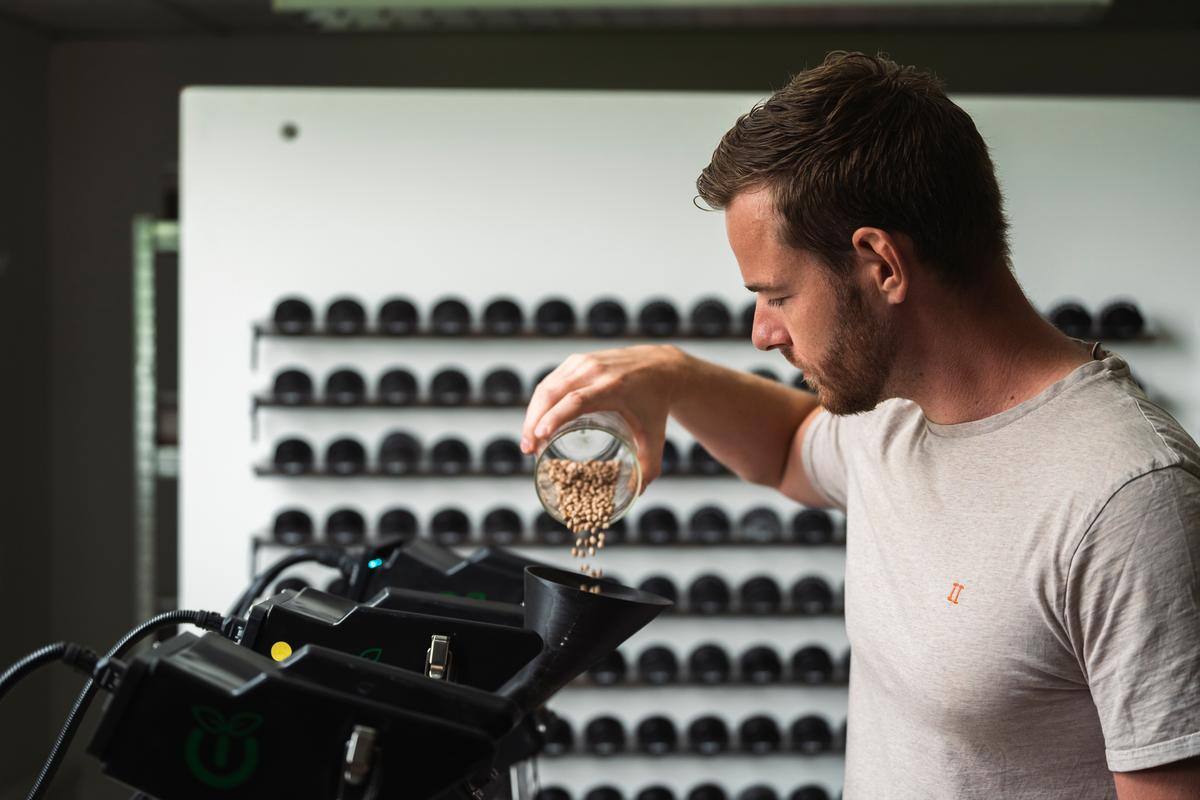
Daniel Rasmussen
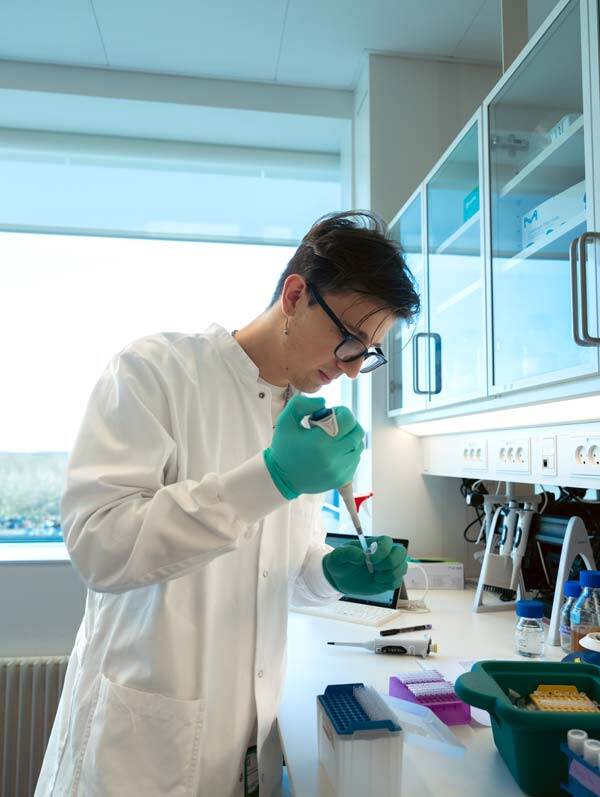
Daniel Rasmussen
Meet the minds driving Denmark ahead
Behind every breakthrough are passionate researchers pushing the boundaries of science and innovation.
In Denmark, we’re proud to support world-class
researchers across fields that are shaping the future. From groundbreaking energy solutions in Power-to-X, to pioneering discoveries in Quantum research, to transformative advances in Neuroscience and sustainable innovations in Biosolutions, these professionals are not only leaders in their fields, but also part of a broader, supportive community.
Discover their stories and see how Denmark helps both research and researchers flourish.
Events & Conferences
Upcoming opportunities to connect
Get in touch and learn more
Get job alerts from Denmark
Sign up and we’ll keep you updated with exciting research career opportunities.
Social & news
Funded by: