-www.svg)
-www.svg)

Researchers and their journey to Denmark
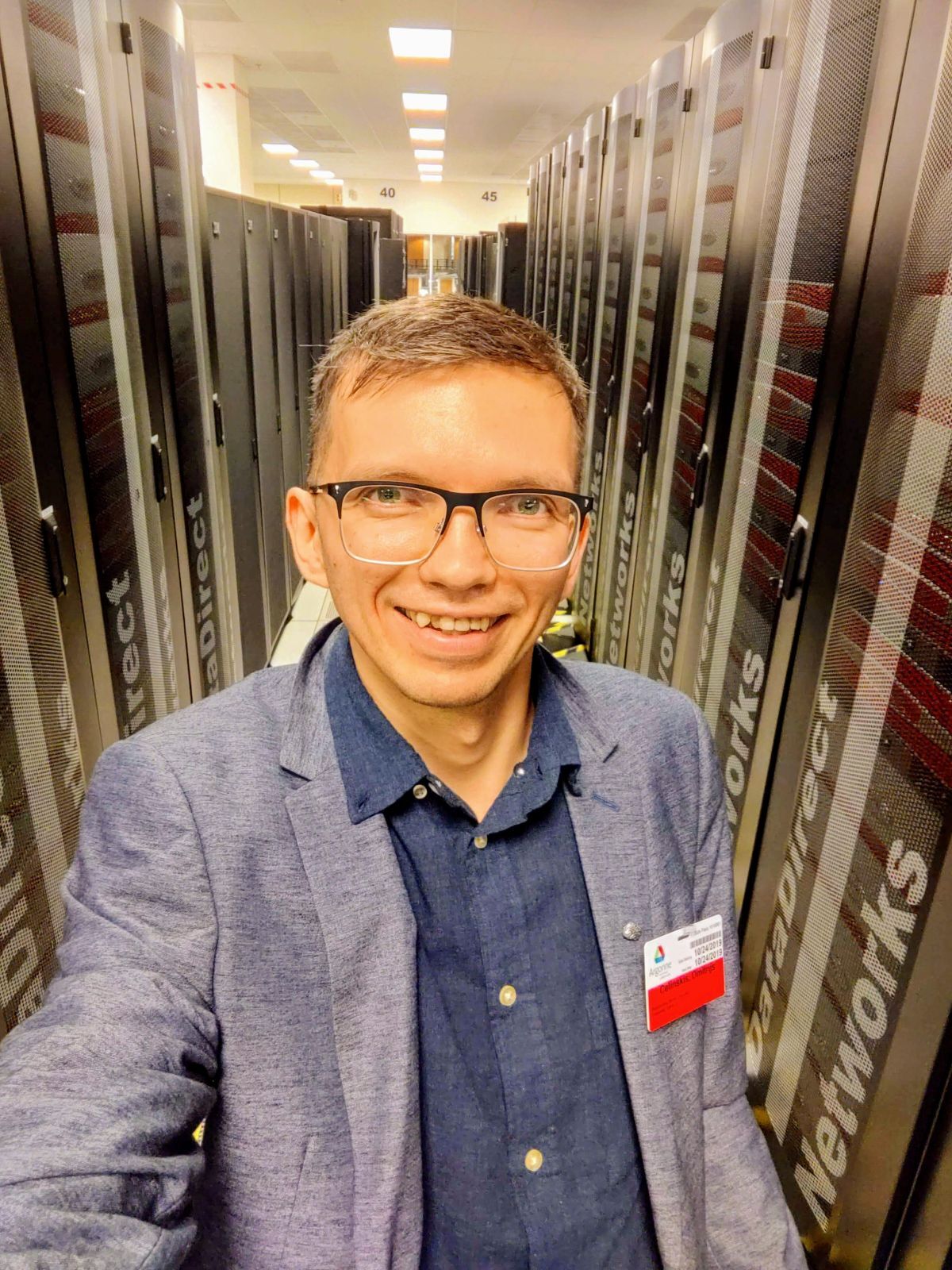
Meet Dmitrijs Celinskis
When Dmitrijs Celinskis talks about research, he rarely speaks in terms of a single discipline. Instead, he talks about connections — between engineering and biology, between discovery and application, and ultimately between scientific innovation and the people it is meant to help.
That perspective has shaped an academic journey spanning neuroscience, biomedical engineering, imaging technology, and translational research. Today, it has brought him to Copenhagen, where he has joined the University of Copenhagen as a postdoctoral researcher working at the intersection of neurotechnology, brain physiology, and tool development for understanding brain injury and inflammation.
For Dmitrijs, Denmark represents more than a new research destination. It is an environment where scientific ambition and quality of life can coexist, and where interdisciplinary collaboration is not simply encouraged, but embedded in the culture.
.jpg)
Visit Copenhagen

Private
From Engineering to Neuroscience
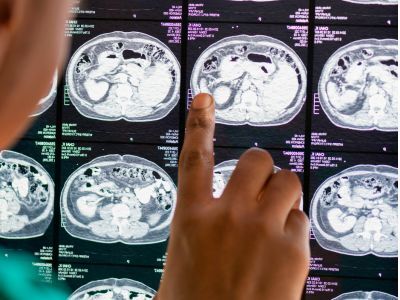
Before focusing on imaging and neurotechnology, he worked with human stroke populations using biomechanics and muscle electrophysiology. Those experiences provided a firsthand understanding of the gap that can exist between elegant scientific measurements and the realities faced by patients and clinicians.
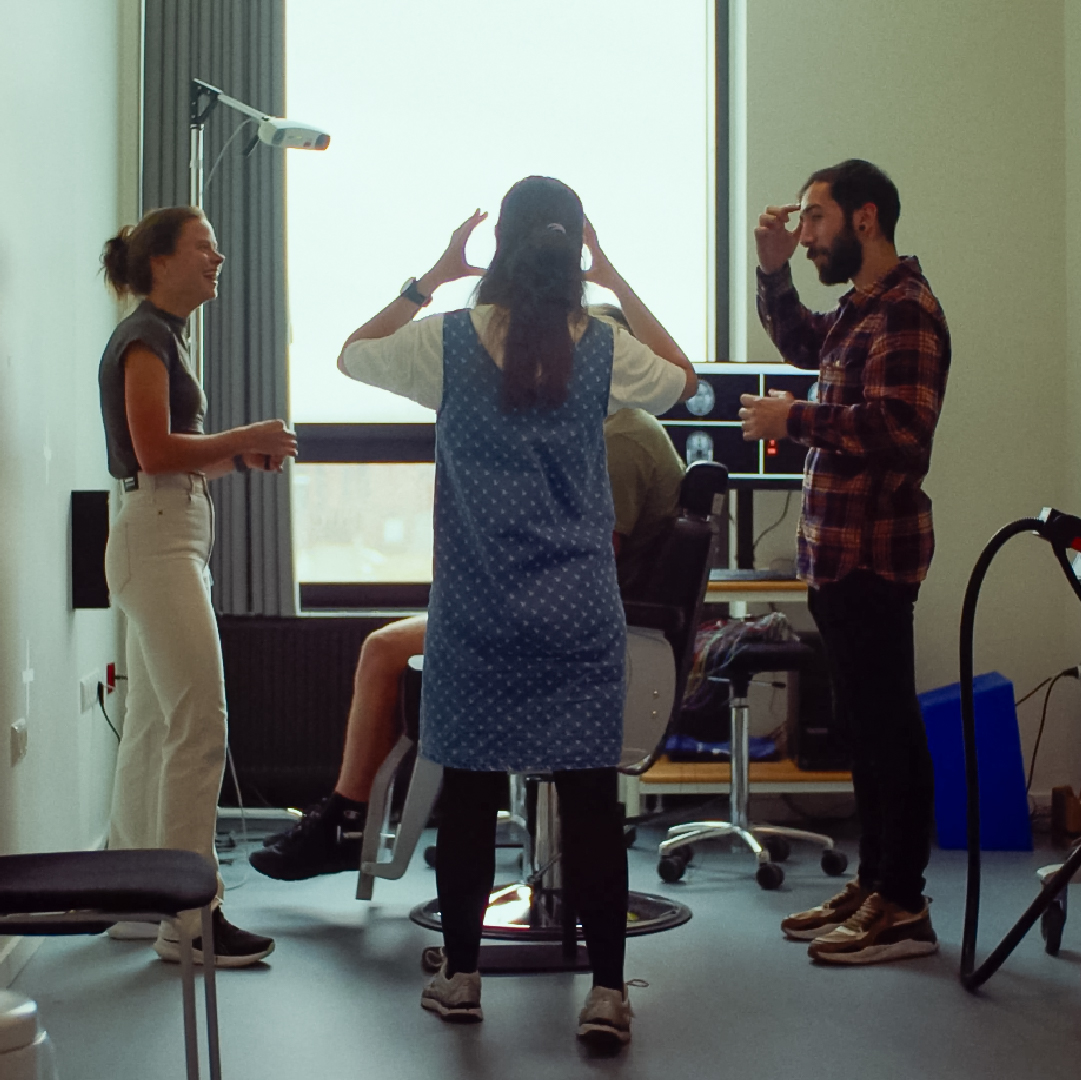
“Over time, I became less interested in staying inside one narrow discipline,” he explains. “I became more motivated by building tools and collaborations that could make neuroscience more useful outside a single lab.”
That mindset has led him to describe himself as a “mindful engineer”. Someone who combines technical rigor with a deep awareness of the people who may eventually benefit from the work.
It is a philosophy that continues to guide his research today.
Holy Ravioli

/gc-career-portal/webpages-hero-images/the-copenhagen-habour-photo-credit-ty-stange.jpg)
Ty Stange
Choosing Denmark
Like many international researchers, Dmitrijs had several attractive options available to him. He considered remaining in the United States and explored opportunities across Europe and Australia.
What ultimately set Denmark apart was not only the quality of its research institutions, but the broader environment surrounding them.
The decision was also influenced by aspects of Danish culture that resonated with him on a personal level. Thoughtful design, simplicity, direct communication, and a sense of balance all contributed to his impression of Denmark as a place where both professional and personal growth could thrive.
“Denmark felt a little like a carefully designed environment for becoming the best version of myself,” he reflects. “Professionally ambitious and rigorous while also grounded and open-hearted.”
That combination made Copenhagen and the University of Copenhagen a natural next step.
“Denmark felt a little like a carefully designed environment for becoming the best version of myself. Professionally ambitious and rigorous while also grounded and open-hearted.”

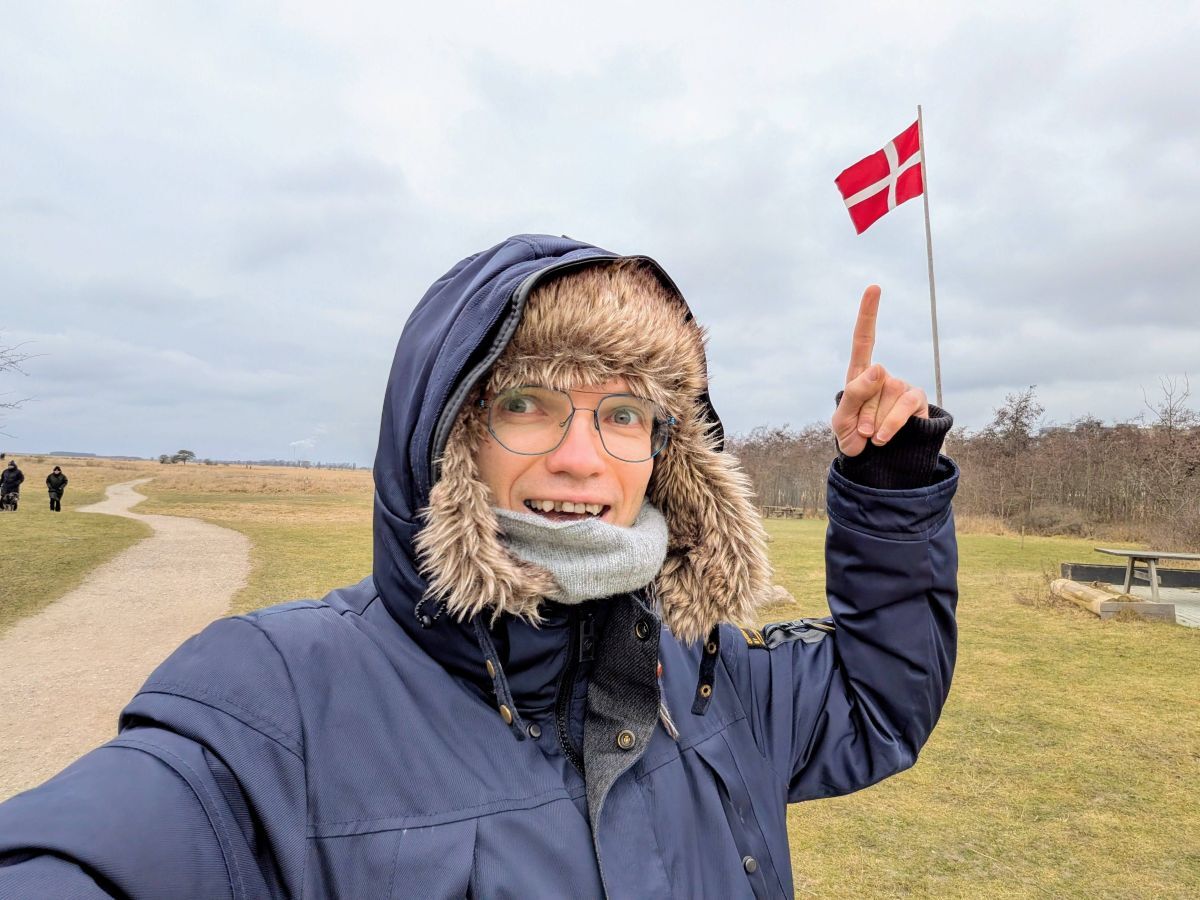
Private
“Denmark felt a little like a carefully designed environment for becoming the best version of myself. Professionally ambitious and rigorous while also grounded and open-hearted.”
Better science through balance
Research is often associated with long hours and relentless pressure. Yet one of the aspects of Danish working culture that Dmitrijs values most is its emphasis on sustainability.
“In some environments, working harder can become the default response,” he says. “But sometimes what is actually needed is more clarity, better coordination, or improved design.”
In Denmark, he has found a culture that encourages thoughtful planning, direct communication, and the mental space needed for deep work.
Far from reducing productivity, he believes this approach strengthens scientific quality.
“Some of my best technical and experimental work happens when I am rested, focused, and mentally present,” he explains.
For Dmitrijs, the Danish approach demonstrates that excellence and wellbeing are not competing priorities. In fact, they often reinforce one another.
As he continues building new tools to better understand the brain, Dmitrijs sees Denmark as an ideal place to turn scientific curiosity into discoveries that can ultimately improve patients’ lives.




Feel inspired?
Do it like Dmitrijs and let your next
career move be in Denmark.