happiness-background-image-compressed-2

From curiosity to Denmark

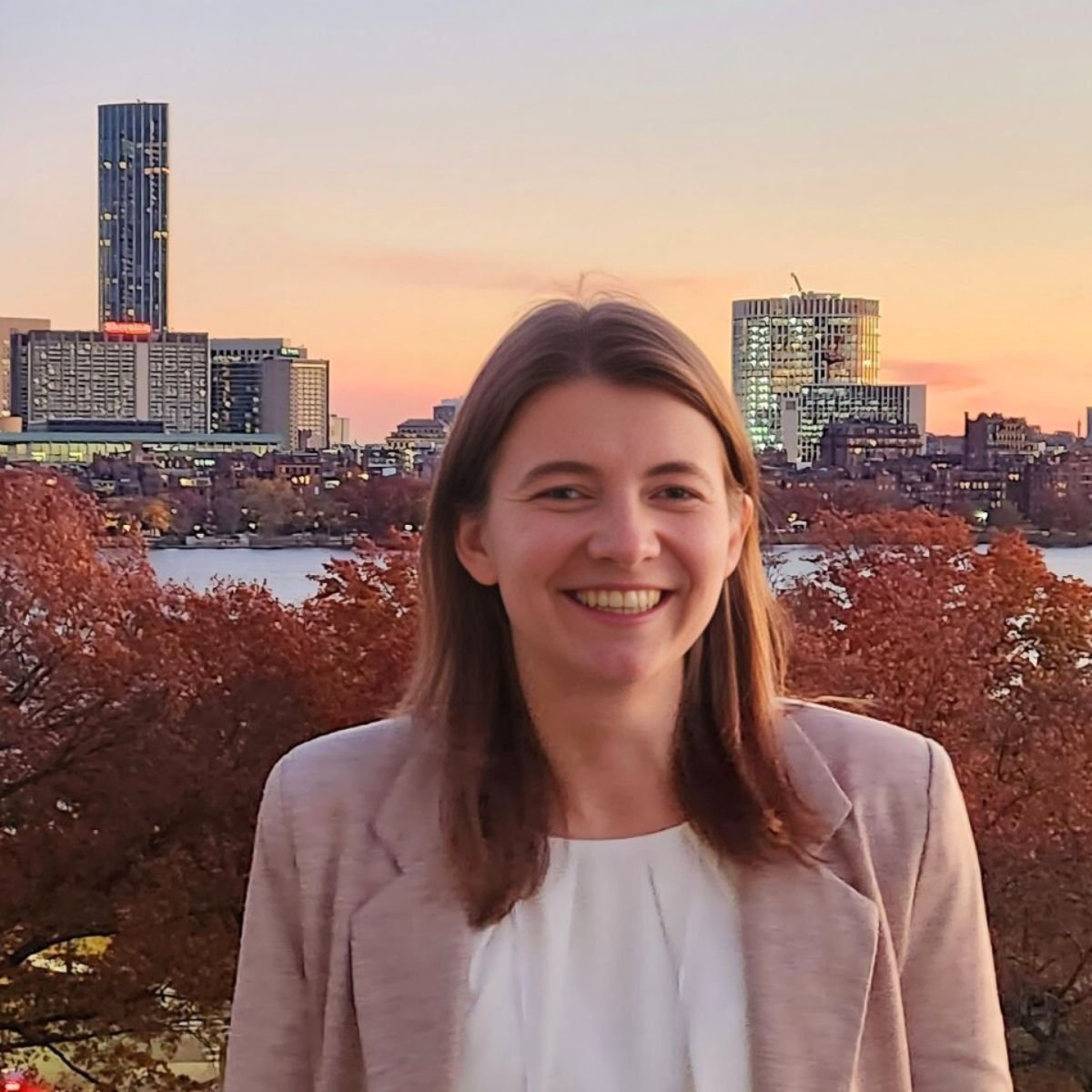
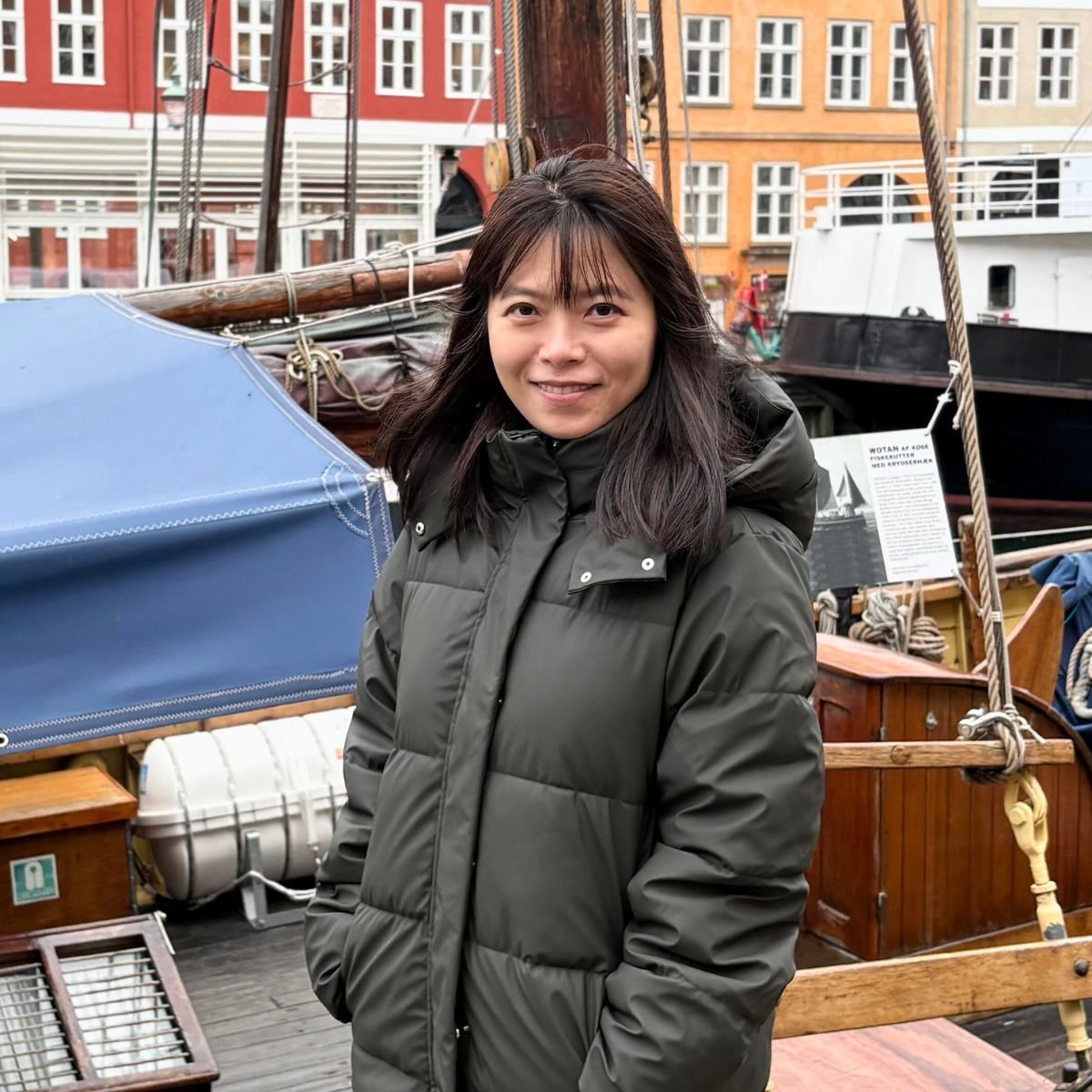
Here are some of the researchers who followed that curiosity and made the move to Denmark. 

OPEN POSITIONS:

Sensing              Communication               Computing              and more....

Sensing              Communication               Computing              and more....

Sensing              Communication               Computing              and more....

Sensing              Communication               Computing              and more....

Sensing              Communication               Computing              and more....

Sensing              Communication               Computing              and more....

Sensing              Communication               Computing              and more....

Sensing              Communication               Computing              and more....

Sensing              Communication               Computing              and more....

Sensing              Communication               Computing              and more....

Sensing              Communication               Computing              and more....

Sensing              Communication               Computing              and more....

Sensing              Communication               Computing              and more....

Sensing              Communication               Computing              and more....

Sensing              Communication               Computing              and more....

Sensing              Communication               Computing              and more....

Sensing              Communication               Computing              and more....

Sensing              Communication               Computing              and more....

Sensing              Communication               Computing              and more....

Sensing              Communication               Computing              and more....

Explore research opportunities in Denmark

Who know, maybe Denmark is

PhD Fellowships in measurement-induced quantum phase transitions

The Quantum Matter Lab is a research group focusing on materials research, experimental solid-state physics, quantum nanoelectronics, and condensed matter device physics. The group provides a vibrant scientific environment for cutting-edge experimental research with close collaborations with theoretical physicists as well as potential collaborations with industry. Our group is a part of Condensed Matter Physics at the Niels Bohr Institute, Faculty of Science, University of Copenhagen. We are located in Copenhagen and offer creative, stimulating working conditions in a dynamic and international research environment.

Apply now

Postdoctoral Position in Theoretical and Computational Chemistry

The research team led by Erik Hedegård at the Department of Physics, Chemistry and Pharmacy, University of Southern Denmark (Odense) invites applications for a postdoctoral position in theoretical and computational chemistry. The position offers the opportunity to contribute to cutting-edge research in one of two main directions: Application of quantum mechanical method (QM/MM) to bioinorganic catalysts for C–H activation, or Development of quantum chemical methods for transition metal systems, with a particular focus on methods for large, complex systems (proteins, enzymes, and condensed phases).

Apply now

Postdoc in Microbial Biotechnology

At DTU National Food Institute, we are offering a 1-year postdoc position on the project SayCheese. In SayCheese the focus is on testing solutions for speeding up the cheese ripening process. Does this sound interesting and do you have the right profile, then don’t hesitate to apply

Apply now

PhD in Modelling and Experiments on PEM Electrolysis

As a PhD student in modelling and experiments on PEM water electrolysis, you will work at the intersection of chemical and electrochemical reactor engineering, with a particular emphasis on electrolysis. The project focuses on testing proton exchange membrane electrolysis cells, characterising their electrochemical performance and developing detailed electrochemical cell models.

Apply now

PhD fellowship in sustainable fertiliser management and greenhouse gas mitigation

Nitrous oxide is an important greenhouse gas. About 70% of the N2O emissions comes from agricultural fields as a consequence of nitrogen fertilization. The N2O is produced during nitrification and denitrification following the application of mineral and organic fertilizers. Management strategies should aim to limit microbial N transformations before plant uptake. SNIs have been proposed as an effective measure to reduce N2O emissions, with studies showing average reductions of 40–50%, along with a comparable decrease in nitrate (NO3⁻) leaching

Apply now

PhD scholarship in electrolyte engineering for next-generation batteries

If the idea of developing next-generation batteries charges you up then this PhD position at the Department of Chemistry, DTU, is for you! We are working to develop deeper understanding of ion transport and failure in batteries by probing their electrolytes so they can charge faster, operate more safely, and work in colder climates. This 3-year project will teach you about battery analysis using a range of electrochemical methods and nuclear magnetic resonance (NMR) techniques, supervised by Assistant Professor Leo W. Gordon. The expected start date is on, or close to, September 1st.

Apply now

PhD position: VOC-based detection of incipient mold growth in plant-based food storage systems

The project focuses on improving early detection of mold growth in stored plant-based foods using volatile organic compound (VOC) monitoring. It addresses key challenges related to food safety, quality preservation, and the reduction of food waste in bulk storage systems.

Apply now

PhD scholarship in Biogas to Protein Conversion using Microalgae-Bacteria Consortia

The PhD position is embedded in multi-partners collaborative project at BioCon Center at DTU department of Chemical and Biochemical Engineering, with focus on sustainable bioconversion platforms for the transformation of biogas-derived carbon into amino acid–enriched biomass, through the rational design and optimization of microalgae–bacteria consortia, metabolic pathway regulation, nutrient partitioning, and bioreactor performance. The project aims to bridge fundamental understanding of microbial processes with application‑oriented research, contributing to improved robustness, efficiency, and scalability of bio‑based conversion technologies relevant for the green transition.

Apply now

Marie Curie (MSCA) PhD scholarship in solar-driven hybrid methane production technologies for bio-el...

Your overall focus will be to advance the development of a sustainable photo-electrochemical process for methanation using biogenic CO2. You will work in close collaboration with an interdisciplinary research team in Water Technology and Processes section at DTU Sustain, combining environmental engineering, biotechnology, electrochemistry and process optimization to achieve more efficient CO2-to-CH4 conversion. The PhD position is funded by MSCA Doctoral Networks program.

Apply now

PhD scholarship in Microbial inoculants for agriculture

If you are excited about microbial ecology, plant microbiome interactions, and want to make a real impact on sustainable agriculture, this PhD project offers an exceptional opportunity. You will join the ambitious Lab2Field project, where we investigate why promising microbial bioinoculants often fail in the field, and how to fix it. This position is tailored for highly motivated candidates who thrive at the interface of microbiology, bioinformatics, soil ecology, plant biology and agroecology.

Apply now

One or more PhD stipends at the Center for Neuroplasticity and Pain

Are you enthusiastic about basic human pain research? The Center for Neuroplasticity and Pain (CNAP) at Aalborg University is recruiting several PhD fellows, to start 1st of September 2026 or soon hereafter. Who are we? CNAP strive to identify and modulate key features of human pain neuroplasticity and its relevance for persistent pain in humans. CNAP is a research Center of Excellence inaugurated by the Danish National Research Foundation at Aalborg University, Denmark (www.cnap.hst.aau.dk). CNAP applies a basic research approach where new advanced biomedical provocation and probing platforms are being discovered and applied to study novel aspects of the human pain neuroplasticity. The ambition of CNAP is to identify and modulate key features of human pain neuroplasticity through a systematic approach, including provoking, probing and modulation of the dynamic neuroplastic properties of the pain system. We believe that this approach over time will foster new fundamental discoveries and change the state of the art and offer novel ways for pain treatment. Our world class lab facilities enable advanced quantitative sensory/pain testing, application of advanced neurophysiological techniques (e.g. EEG, TMS, TMS-EEG, rTMS, HD-tDCS), bio-medical techniques (e.g. linked with epigenetics and general biomarkers), quantitative sensory testing (QST) as well as research based on animal models (e.g. rodents and pigs). CNAP is a dynamic and international research environment: approximately 60% of our staff is international, with an almost 50-50% gender balance. Our working language is English, and you will also be writing your thesis in English. We are highly interdisciplinary and include experts within e.g. biomedical engineering, neuropsychology, pharmacology, biophysics, and medicine with industrial specialisation, and medicine. You will thus be joining an inspiring, enriching, and productive cross-disciplinary research centre including staff with internationally recognized track records. CNAP is affiliated to the Department of Health Science and Technology at the Faculty of Medicine, which does multidisciplinary research and teaching in the area of health science and technology (e.g. medicine and biomedical engineering). The strategic focus of the department is to be leading within digital health and being well-known for medical doctors and engineers collaboratively developing solutions together. The department has more than 250 employees and is responsible for more than 1700 students. Contacts Thomas Graven-Nielsen: +4599409832, tgn@hst.aau.dk Annemarie Davidsen: +4599402109, ada@adm.aau.dk Karina Stendahl Jensen: +4599407573, ksj@hst.aau.dk

Apply now

Research assistant position in glucosinolate transporter biology

The VILLUM Investigator project has focus on Plant Transportomics. Transport of metabolites across cellular borders is essential for plant fitness and survival and has proven important in controlling key quality traits in agriculture. Yet, the function of thousands of transporters is largely unknown. As a unconventional idea we use plant extract as substrates. The project aims at creating a first-of-its-kind transportomics database that includes substrate specificity of every transporter in the model plant Arabidopsis thaliana, thale cress. Moreover, the chemical language of plants will be decoded by mapping the metabolites exuded and the transporters present at the root during stress conditions when intense communication occurs. The knowledge gained and molecular tools generated will have application in sustainable agriculture.

Apply now

Clinical professor of Neurology with special focus on dementia (fixed-term 5 years)

The University seeks to appoint a clinical professor of Neurology with special focus on Dementia to commence as soon as possible. The externally funded professorship is combined with a consultancy at Zealand University Hospital, Department of Neurology in the Zealand Region. It is a requirement for appointment that the applicant is accepted for both the professorship and the consultancy. In order to be considered for the position, the applicant must send two applications: one to the Faculty (the professorship) and one to the hospital (the consultancy) cf. the simultaneously advertised position of the consultancy. This also applies to applicants who are already employed as consultants at the Hospital. Please find the advertisement for the consultancy here. Both the professorship and the consultancy will be financed by Zealand University Hospital. Find information about the department. 159172 Questions For further information please contact Head of Department Jesper Hastrup Svendsen, jesper.hastrup.svendsen@regionh.dk. Foreign applicants may find the university’s International Staff Mobility useful.

Apply now

PhD Position in Solving Quantum Field Theory

The Quantum Field Theory group of Professor Francesco Sannino at the Quantum Theory Center (QTC) hosted by the Department for Mathematics and Computer Science (IMADA) and the Danish Institute for Advanced Study of the University of Southern Denmark invites applications for one PhD position. The starting date should by end of summer 2026. The Doctoral program is for three years. Outstanding candidates should have a master’s in theoretical physics with proven experience in these areas of research: (Quantum) Gravity: Rigorous approaches to (quantum) gravity from effective quantum metric descriptions to string theory, precise results in (quantum) black hole and wormhole physics including entanglement. Quantum Field Theory: Conformal field theory and/or conformal window of gauge theories, exact results in semiclassical methods, effective field theories, renormalization group, high order perturbation theory, higher symmetries. Lattice Field Theory: Conformal window and near conformal dynamics of strongly coupled theories, novel lattice methodologies (including applications of quantum computing and artificial intelligence), lattice field theory for standard model physics and beyond including matter in extreme conditions.

Apply now

One or more Postdoc positions at the Center for Neuroplasticity and Pain (CNAP)

Are you enthusiastic about human pain research? The Center for Neuroplasticity and Pain (CNAP) at Aalborg University is recruiting one or more postdoctoral researchers, to start 1st of October 2026 or soon thereafter. The positions are available for a period of 1 ½ to 2 years. Who are we? CNAP strives to identify and modulate key features of human pain neuroplasticity and understand its relevance for persistent pain in humans. CNAP is a research Center of Excellence inaugurated in 2015 by the Danish National Research Foundation at Aalborg University, Denmark (www.cnap.hst.aau.dk). CNAP applies a basic research approach where new advanced biomedical provocation and probing platforms are being discovered and applied to study novel aspects of human pain neuroplasticity. The ambition of CNAP is to identify and modulate key features of human pain neuroplasticity through a systematic approach, including provoking, probing and modulation of the dynamic neuroplastic properties of the pain system. We believe that over time, this approach will foster new fundamental discoveries, change the state of the art, and offer novel ways for pain treatment. Our world class lab facilities enable advanced quantitative sensory/pain testing, application of cutting-edge neurophysiological assessments (e.g. EEG, TMS, TMS-EEG, rTMS, HD-tDCS), bio-medical techniques (e.g. linked with epigenetics and general biomarkers), quantitative sensory testing (QST) as well as research based on animal models (e.g. rodents and pigs). CNAP is a dynamic and international research environment: approximately 60% of our staff is international, with a close to 50-50% gender balance. Our working language is English. We are highly interdisciplinary and include experts within biomedical engineering, neuropsychology, pharmacology, biophysics, medicine with industrial specialisation, medicine, and more. You will thus be joining an inspiring, enriching, and productive cross-disciplinary research centre including staff with internationally recognised track records. CNAP participates in numerous international initiatives and maintains an extensive global network, making it an ideal environment to build your own collaborative connections. CNAP is affiliated with the Department of Health Science and Technology at the Faculty of Medicine, which conducts multidisciplinary research and teaching in health science and technology (e.g. medicine and biomedical engineering). The strategic focus of the department is to be a leading force within digital health and to be well-known for medical doctors and engineers collaboratively developing solutions together. The department has more than 250 employees and is responsible for more than 1700 students. Working at CNAP CNAP offers postdoctoral fellowships for exploring neuroplasticity and pain. As a postdoc you will contribute to our frontline research aimed at identifying novel mechanisms underlying the dynamics of pain neuroplasticity, while also advancing understandings of this topic within the academic world and beyond. Specifically, you will be focusing on the topic of Brain Neuro-Adaptability to Pain, in particular brain oscillations in pain conditions and non-invasive brain stimulation. You will be working alongside PhD students and other postdoctoral researchers as part of our Lundbeck Professorship grant, which you can learn more about here: https://www.cnap.hst.aau.dk/lundbeck-professorship As a postdoctoral researcher your tasks are to: Embark on the exciting and fundamental research track intended to provide mechanistic information on human brain changes in pain conditions. Your research will help us understand the mechanisms involved when pain becomes chronic. Work in a team using electroencephalography (EEG), transcranial magnetic stimulation (TMS), TMS-EEG, transcranial electrical stimulation (tES), quantitative sensory testing (QST), and psychological profiling to study and modulate the brain activity in clinical and experimental pain conditions Conduct a series of studies including individuals with experimental pain or chronic pain and healthy controls, with the aim of linking changes in pain mechanisms and measures of pain neuro-adaptability with changes in cortical manifestations during an intervention (e.g., non-invasive brain stimulation) for symptom reduction. Large-scale data analysis (e.g. machine-learning) may be involved. Training will be provided in all methodologies but prior experience with some techniques is an advantage, and experience in human pain research is a prerequisite. An opportunity to learn new advanced analysis techniques (e.g., in Matlab, R, or Python) if relevant for the task. Write up research results in the form of journal articles. Participate in and co-arrange national and international research conferences and be exposed to external research environments, for example, as a visiting researcher. Disseminate the results of your research to the public. Participate in the day-to-day life of CNAP (e.g., research meetings, Round Table Meetings, seminars, social activities). Develop a solid background in pain neuroscience that will allow you to foster a curious and critical sense to analyse and interpret scientific information. Further develop competences towards an academic or industrial research career. Contacts Thomas Graven-Nielsen: +4599409832, tgn@hst.aau.dk Louise Klem Skovgaard: +4599408567, lksk@adm.aau.dk

Apply now

Postdoc position at the Center for Polariton-driven Light-Matter Interactions (POLIMA)

The successful candidate will join the Quantum Optoelectronics group @POLIMA where they will take the lead in establishing a new cryogenic magneto-optical setup. This setup will be dedicated to exploring the optoelectronic properties of low-dimensional semiconducting and magnetic materials. In addition, the candidate will play a key role in developing innovative nanofabrication methods, working closely with the institute’s state-of-the-art cleanroom facility.

Apply now

Assistant Professor Positions at the Department of Biology

We are thus looking for excellent researchers and teachers that add to the Department’s knowledge, skill and training base for topics of interest for societal partners such as government agencies, municipalities, companies, NGO’s, advisory councils, etc. The Department is especially interested in applicants with research focuses in one of the following areas: Ecological Botany Effects of multiple stressors Landscape Ecology & Conservation Modeling We are looking for excellent colleagues from these fields in Biology, who can either strengthen or complement the current research in Biology at our department. The areas of expertise that we are seeking are described in more detail here:

Apply now

Postdoc in Phenomenological Psychology or Psychiatry

The postdoc will join the project; Understanding Experiences of Mood Disturbances in Depression, funded by Independent Research Fund Denmark and led by Anthony Vincent Fernandez. The four-year project aims to develop an initial taxonomy of mood disturbances experienced by people diagnosed with depression, disambiguating poorly defined symptom constructs, such as “depressed mood”. This research is intended to contribute to more precise systems of classification and diagnosis, helping to parse the heterogeneity of conditions and experiences currently captured by the category of major depressive disorder. The project uses an innovative combination of qualitative and philosophical methods, including in-depth, phenomenological interviews with people living with depression; an online survey of how psychiatrists understand mood disturbances in depression; and both qualitative and philosophical approaches to analyzing the generated data. The project includes an interdisciplinary team of researchers from philosophy, psychology, and psychiatry. The postdoc will join for the first two years of the project, which focus primarily on the generation and analysis of qualitative data. Some interview data has already been collected, and data analysis will be carried out collectively by the research team. Your job responsibilities As postdoc in phenomenological psychology or psychiatry, your position is primarily research-based but may also involve teaching assignments. You will contribute to the development of the department through research of high international quality. You will work both independently and collaboratively with colleagues on your project. Your primary responsibility will be to carry out phenomenological qualitative interviews with people diagnosed with depression and collaborate on the analysis of interview data. While we have recruitment partners in Denmark, it is also possible to carry out interviews with participants in your native language outside of Denmark. If you are unable to carry out interviews in Danish, please include a brief description of your proposed recruitment strategy, including current relationships with potential recruitment partners, in your application documents. As a secondary responsibility, you will collaborate on a large-scale, open-ended online survey of how psychiatrists understand mood disturbances in depression. Your main tasks will consist of: • Recruiting study participants and establishing and maintaining relationships with recruitment partners • Carrying out phenomenological qualitative interviews and analyzing interview transcripts • Designing and distributing an open-ended online survey and analyzing survey data • Publishing and disseminating research Secondary tasks may consist of: • Organizing project-related events, such as workshops and conferences • Engaging in public-facing science communication • Teaching and supervising Further information If you have any questions about the position, please contact Anthony Vincent Fernandez (afernandez@health.sdu.dk ). Your place of work will be at the Department of Psychology, Campusvej 55, 5230 Odense M, Denmark.

Apply now

PhD candidate in comparative genomics and machine learning for plant biology

Applicants are invited for a PhD fellowship/scholarship at the Graduate School of Technical Sciences, Aarhus University, Denmark, within the Quantitative Genetics and Genomics programme. The position is available from 01 October 2026 or as soon as possible thereafter. You can submit your application via the link under 'how to apply'.

Apply now

Call for open-rank academic position in child and adolescent developmental psychology

The Department of Psychology, Faculty of Social Sciences, University of Copenhagen (UCPH) seeks an excellent candidate for an open-rank, academic position in psychology. The position is available from October 1st, 2026, but an earlier or later starting date is also possible. The periods of childhood and adolescence are key components of the current strategy of the Department of Psychology, at the University of Copenhagen. We would like to strengthen our expertise, and impact around middle-childhood and adolescent development. Thus, we invite applications for a strategic, full-time, open-rank position (i.e. Tenure-Track Assistant Professor / Associate Professor / Full Professor) in this area. We invite applicants whose research and teaching focus either on middle-childhood or adolescent development. We are especially interested in applicants whose work engages with contemporary challenges and/or has applied relevance, including but not limited to: Digitalization and youth culture Neurodiversity and developmental variation Identity and socioemotional development A preferred candidate would have: A strong research profile within basic, applied or clinical middle-childhood or adolescent psychology For applicants with an applied profile, clinical training and expertise would be an advantage Who to Contact: If you have questions to the position, please write to Head of Department, Annemarie Olsen; ano@psy.ku.dk.

Apply now

Postdoc in Quantum Enhanced MRI

As a Post-Doc at the Department of Clinical Medicine, you will be part of what is probably the largest health science research department in Denmark. Our clinical research covers all the medical specialities and takes place in close collaboration with the university hospital and the regional hospitals in the Central Denmark Region. We have approx. 30,000 square metres of modern research facilities for experimental surgery and medicine, animal facilities and also advanced scanners at our disposal. The department has overall responsibility for the Master's degree programs in medicine and in molecular medicine. At the department we are approx. 670 academic employees, 500 PhD students and 160 technical/administrative employees who are cooperating across disciplines. As a postdoc, you will be working at Aarhus University in the Central Denmark Region. You can read more about the department here and about the faculty here.

Apply now

Postdoc Position in Development of a mGlu2 PET tracer

We are looking for a talented and creative chemist for a two-year postdoc position with the possibility of extension. The advertised position is in the Bunch Group, which is anchored in the medicinal chemistry research section in the department. Start date is September 1, 2026 or as soon as possible thereafter. Information on the department can be found at: Department of Drug Design and Pharmacology – University of Copenhagen Our research In the Bunch group we have a long track-record and strong research interest in development of novel tool compounds and/or drug candidates for the central nervous system (CNS). In addition, hereto, we also work with great enthusiasm on development of new synthetic methodology relevant for medicinal chemistry. The Bunch group has a strong international profile and welcomes students and dedicated scientists with the ambition to make a positive difference for humanity. For a comprehensive overview of research activities, please visit the Bunch group homepage at: https://drug.ku.dk/research-sections/medicinal-chemistry/bunch-group/ Your job The objective of the research project is to develop a mGlu2 PET tracer of picomolar and super-selective mGlu2 agonist LBG30300 (J. Med. Chem. 2024, 67, 1314–1326). Your work is to revise the synthetic route to fit with radio-chemistry synthesis of the PET tracer and carry out the synthesis. While the cold synthetic work will be carried out at the Department of Drug Design and Pharmacology, the radio-chemistry work will be carried out at Herlev University Hospital in collaboration with Head of Radiochemistry Tri H. V. Huynh. The position also requires supervision of MSc students as well as other teaching obligations which amounts up to approximately 10 percent of the workload. Profile We are looking for a highly motivated and enthusiastic scientist with the following competencies and experience: Essential experience, skills and competences: You have a PhD degree in organic chemistry or medicinal chemistry (or expect to obtain before the starting date) Documented skills and competences in target oriented multi-step synthesis and SAR studies within the CNS area Strong analytical skills including structural elucidation by NMR, LCMS and HRMS Documented competences in use of computational medicinal chemistry in ligand design Excellent English skills, both written and spoken Questions For further information please contact Professor Lennart Bunch; e-mail: lebu@sund.ku.dk Foreign applicants may find this link useful: www.ism.ku.dk (International Staff Mobility).

Apply now

Postdoc in Plant-microbiome interactions

Your overall focus will be to advance our understanding of the ecological principles that govern the success of microbial bioinoculant consortia. Under the Lab2Field project, you will create a knowledge framework for the successful field application of microbial biostimulants and biopesticides. You will work closely with colleagues at DTU Bioengineering, farmers, industry partners, and regulatory bodies. You will contribute to generating knowledge that links insights from laboratory experiments with Synthetic Communities to field-level agronomic performance of multi-strain bioinoculants.

Apply now

Quantum Logic Scientist

Sparrow Quantum is looking for a Quantum Logic Scientist to strengthen our theory effort at the core of our photonic quantum computing roadmap. This role is for someone who wants to work hands-on with fault tolerant quantum logic, noise models, and error-correcting codes, while staying tightly connected to experimental reality. You will work alongside theorists and experimentalists to design, analyze, and validate error correction strategies tailored to photonic platforms based on quantum emitters. The work feeds directly into product direction, scientific publications, and long-term architecture decisions.

Apply now

Postdoctoral position in the development of an AI-based phenotyping system for high-throughput scree...

The aim of the project is to develop an AI-based phenotyping system for high-throughput screening of aphid resistance in plants both in controlled and field conditions. This tool will be used to screen for aphid resistance in a pea germplasm collection by characterizing aphid-traits related to their performances. In the long term, this will contribute to selection for aphid-resistant pea varieties contributing to sustainable organic agriculture in Denmark.

Apply now

Postdoc in Enzyme Engineering for Greenhouse Removal at BRIGHT

Our mission is to develop innovative and sustainable solutions to the most pressing issues facing our societies in terms of bioproduction and bioremediation. To support this goal, we are looking for a colleague who is independent, who thrives within an interdisciplinary environment at a world-class research centre, and who is highly motivated to move the area of enzyme engineering to the next level, while having a positive impact on our world. When joining our team, you get the opportunity to use the latest algorithms in machine learning for improving enzyme activity, selectivity, and/or stability, etc. We currently work with enzymes involved in the biosynthesis of natural products and biochemicals as well as in the breakdown of greenhouse gases including CO2 and CH4.

Apply now

Postdoc in Enzyme Engineering for Methane Bioconversion

We are seeking a postdoctoral researcher to establish and develop a new research line on engineering methane monooxygenases for methane conversion at BRIGHT. If you are building your career as a scientist and want to work at the forefront of protein bioinformatics and synthetic biology, this is an opportunity to help define a new research direction. The position combines structure-based modelling of proteins and membrane environments with experimental validation in bacterial hosts and is ideally suited for candidates with experience in structural modelling, molecular simulations, and heterologous protein expression. The successful candidate will play a key role in building new workflows and experimental platforms within the group.

Apply now

Postdoc in Gas Cleaning

We are looking for a skilled postdoc for our carbon capture group. CO2 capture and Power-to-X will play important roles in the green energy transition. As postdoc at DTU Chemical Engineering, you will support the development of these technologies. Specifically, we are working on projects where a high temperature heat pump will increase the efficiency of thermal carbon capture. We study and develop the next generation carbon capture, and work together with national and international project partners.

Apply now

Postdoc in Chemistry – Expertise in Organic & Inorganic Synthesis and Electrochemistry

We seek highly motivated and creative researchers holding a PhD in chemistry, materials science, engineering, or a related discipline, with a proven track record of high-quality, independent research. Responsibilities: Design and carry out organic and inorganic syntheses Develop and optimize electrochemical experiments and measurements Characterize materials and compounds using standard analytical techniques Analyse data and document results Collaborate with researchers across different disciplines Contribute to publications, reports, and project deliverables

Apply now

Open opportunities for researchers at the frontier of quantum photonics

Sparrow Quantum is always on the lookout for pioneering researchers. As a spinout from the Niels Bohr Institute, they’ve seen how bold ideas and groundbreaking research can evolve into world-leading commercial innovation—and they welcome those who want to be part of their journey to disrupt quantum photonics. That’s why they keep an open call for highly motivated researchers and quantum technologists who are excited about the most advanced quantum sources of today. They design roles around the right people, not the other way around; so, if you’re an outstanding researcher or engineer with the drive to shape the future of quantum photonics, they want to hear from you.

Apply now

Postdoc in Hybrid Energy Routers for Asynchronous SAFEr Grid

At the Department of Energy at Aalborg University (AAU Energy), a position as Postdoc in Hybrid Energy Routers for Asynchronous SAFEr Grid is open for appointment from September 1, 2026, or as soon as possible hereafter. The position is available for a period of 2 years and is based at Aalborg University’s campus in Aalborg. The position is funded in the new European Research Council (ERC) Synergy grant on Store-and-Forward Energy grid (SAFEr Grid), which unlocks a new power grid architecture. The project is held in collaboration with RWTH Aachen, Germany.

Apply now

Postdoc in psychiatric epidemiology

The Department of Affective Disorders at Faculty of Health at Aarhus University invites applications for a position as Postdoc in the field of psychiatric epidemiology as per 1 September 2026 or as soon as possible thereafter. The position is a fixed-term full-time position for 2 years. The project is called “Risk stratification for early-onset major depressive disorder”. This is a multi-year, multi-site, international collaboration led by Dr. Francis Rice, Professor at Cardiff University, UK and co-director of the Wolfson Centre for Young People’s Mental Health. The offspring of parents with mental illness represent a major lost opportunity for early intervention. Having a parent with mental illness is the most common potential risk factor for early-onset depression. Early-onset depression (by age 24) is difficult to treat and is associated with a recurrent/chronic course and poor outcomes. Early intervention strategies are effective when targeted at this group. However, we know that very few access support. There is also substantial variation in absolute levels of risk meaning that all offspring of parents with mental illness are unlikely to require early intervention, and service constraints make this infeasible. Early detection and intervention that is personalized dependent on absolute level of risk is therefore needed to improve access to early intervention for those at ultra-high-risk of developing early-onset depression. The goal of this project is to harness big data to stratify risk for early-onset depression. The goal of the Danish work package, which is led by Dr. Katherine Musliner at the AU Department of Clinical Medicine, is to use Danish register-based data to validate the risk-stratification tool developed in the Welsh data. As such, a background in prediction modeling and experience working with Danish registry data is highly preferred. Your job responsibilities As Postdoc in the department of affective disorders, your position is primarily research-based but may also involve teaching assignments. You will contribute to the development of the department through research of high international quality. In your daily work, you will work closely with colleagues on your project, where you will receive supervision and guidance. Your main tasks will consist of: Independent research of high international quality, including publication. A limited amount of teaching and supervision Some degree of contribution towards attracting external research funding Contributions to internal and external efforts to disseminate research findings to relevant academic, clinical and patient stakeholder groups Participation in, and active contribution to, the development of the working environment of the department, including journal clubs and research seminars You will report to the Head of The Department of Clinical Medicine, Christian Fynbo Christiansen.

Apply now

1 or 2 Postdoctoral positions in Circuit Neuroscience

One or two postdoc positions are available in the Thalamic Circuits laboratory of Fiona Müllner at the Danish Research Institute of Translational Neuroscience (DANDRITE, Nordic EMBL Partnership) and the Department of Molecular Biology and Genetics at Aarhus University, Denmark. Expected start date and duration of employment This is an initial 1-year, renewable position from September 1st 2026 (or as agreed), with funding secured by a European Research Council (ERC) grant and the Lundbeck Foundation. Tasks The Thalamic Circuits lab studies how visual information is processed in the thalamus and how the brain actively modifies this information. The lab uses a combination of cutting-edge methods in the mouse model, including two-photon imaging, advanced viral tracing, single-cell manipulation in vivo, electrophysiology and computational modelling. You will be studying the circuit mechanisms underlying visual information processing and its modulation. Your typical activities will include: Designing, planning and establishing experiments Carrying out experiments such as in vivo calcium imaging, viral injections, or behavioural tests in mice, with keeping accurate records Analyzing and interpreting experimental findings Actively participating in laboratory and DANDRITE community meetings Reporting findings through conference presentations and manuscripts Contact information For further information, please contact: Associate Professor Dr. Fiona Müllner, fiona.muellner@dandrite.au.dk

Apply now

Talented entry-level and senior software engineers

Qpurpose is looking for talented entry-level and senior software engineers to join our team: Whether you have just graduated from university or have many years of experience, these positions offer a unique blend of classical programming and software development within a quantum computing framework. The software projects in these positions include technical development and ensuring successful execution and delivery on impactful industry applications using classical algorithms and techniques. In the future, there will be opportunities to integrate quantum computing techniques. These opportunities are ideal for those looking to use their passion for software engineering in a cutting-edge, interdisciplinary environment.

Apply now

Postdoc in Thermo-Mechanical Modelling and Experimental Study of Ferroelectric and Thermoelectric De...

In this position you will conduct research within multi-physics simulations and experimental validation of innovative ferroelectric, piezoelectric, and thermoelectric energy harvesting concepts, with a particular focus on self-charging vibrational batteries. You will be involved in both independent and collaborative research activities in close interaction with colleagues in the group and external partners in Denmark and abroad.

Apply now

Postdoc position in Quantum Software and Quantum Communication (DEIS)

The candidate will join a collaborative project. Depending on the background and preferences of the candidate, this will be a project that also includes partners from Aarhus University and industry or a project that involves other departments at Aalborg University. The projects consist of multiple tasks, which are shortly outlined below. It is not intended that the candidate works on all tasks. The concrete tasks will be agreed upon with the supervisors, based on the candidate’s background and preferences. Task 1: Synthesis of quantum circuits. We intend to apply reinforcement learning. This task will include feasibility and scalability considerations (e.g., approximate solutions, application of symbolic data structures). Task 2: Simulation of quantum circuits with high-level structure and under noisy conditions. This task will include the extension of recent work on model-order reduction applied to quantum circuits. The extension will cover quantum programs with loops and various noise effects. Task 3: Equivalence checking of quantum circuits. This task will include the identification of suitable metrics for approximate equivalence and algorithms to efficiently compute approximation distances. A potential direction is the generalization to parallel GPU computations. Task 4: Correctness evaluation of quantum communication systems and quantum protocols. This task will include approaches such as statistical model checking and conformal prediction to efficiently assess a given design and identify bugs or bottlenecks. Task 5: Design and semantics of distributed quantum programming and modelling languages. This task will include the development of language features and formal semantics for programming and modeling distributed quantum systems, enabling correct composition, communication, and verification of quantum processes across multiple nodes.

Apply now

Post Doctoral Position in Alcohol Research

The Department of Psychology at the Faculty of Health Sciences, University of Southern Denmark (SDU), Odense, invites applications for a position as postdoc within the research areas of at-risk alcohol use, older adults, clinical psychology, psychometrics, and epidemiology. The Department of Psychology is a vibrant, inclusive workplace hosting an engaged group of faculty, postdocs and PhD students. The department has close collaborations with the Odense University Hospital, and its research covers a wide range of health-related topics and methodologies. The position and the project The postdoc position is for 31 months, starting on November 1st, 2026 or soon thereafter. The focus of the position is on the psychometric evaluation of assessment instruments for at-risk alcohol use in adults aged 60-80 years and on a longitudinal epidemiological study of risk and protective factors within psychological models of the etiology of addiction in said age group. We are looking for a highly motivated and ambitious candidate with a strong track record in peer-reviewed publications as well as in quantitative analysis within either psychometrics and/or epidemiology. The candidate should have a strong and documented interest in the areas: alcohol research, clinical psychology, quantitative methods, and assessment and etiology of at-risk alcohol use/alcohol use disorder, preferably in adults or older adults. The candidate should have documented experience with project organization. The successful candidate will work on the project “Understanding older adults’ risky alcohol use to inform targeted preventive interventions and strategies” funded by TrygFonden, Denmark. The successful candidate will join a research group with expertise in alcohol research, clinical psychology, and epidemiology, led by Associate Professor Silke Behrendt (Department of Psychology, University of Southern Denmark), and Professor Kristine Rømer Thomsen (Department of Psychology and Behavioural Sciences, Centre for Alcohol and Drug Research, Aarhus University). The primary place of work will be the Department of Psychology, University of Southern Denmark, Odense, Denmark. Further information If you have any questions about the position, please contact Associate Professor Silke Behrendt sbehrendt@health.sdu.dk , phone 0045-93507195 or Professor Kristine Rømer Thomsen krt.crf@psy.au.dk Your place of work will be at the Department of Psychology, Campusvej 55, DK-5230 Odense M, Denmark.

Apply now

Professor in Epidemiology/Pathology for Agricultural Crop Plants

The Department of Agroecology at Aarhus University, Denmark, invites applications for a position as Professor in Epidemiology/Pathology for agricultural crop plants. The position is anchored at the section of Plant Pathology and Microbiology, where we combine fundamental and applied research within plant disease epidemiology, including evolutionary and molecular interactions between plants and microorganisms of relevance for crop resilience towards biotic and abiotic stresses. The professorship is a full-time and permanent position starting on 01-01-2027 or as soon as possible thereafter.

Apply now

PhD fellowship in Soil Fertility

The main objective of the PhD project is to assess whether rhizosphere P cycling priming occurs in soils that have received BBF. The main research questions are: 1) Do labile C from root exudate promote microbial P mobilization? 2) Do the addition of BBF further promote microbial P mobilization in the rhizosphere? 3) Can the collected data of rhizosphere P priming be used to improve soil P modelling capacity?

Apply now

Postdoc in Microglial Biology and Single-Cell Multi-Omics

DANDRITE at the Department of Biomedicine at the Faculty of Health at Aarhus University invites applications for a position as a Postdoc in microglial biology and single-cell multi-omics as of 1 August 2026 or as soon as possible thereafter. The position is a fixed-term full-time position for 2 years. About the research project The position is funded by the Independent Research Fund Denmark (DFF-Research Project 1, FNU) and is part of a research programme investigating how microglial states emerge during development and how the same regulatory logic shapes microglial behaviour and neuronal vulnerability. The successful candidate will lead the computational and integrative arm of a project on the epigenetic and transcriptomic drivers of microglial ontogeny in early brain development. This includes constructing high-resolution single-cell transcriptomic and chromatin atlases of microglia, inferring regulatory networks underlying lineage diversification, and integrating these maps with spatial and perturbation datasets generated in the laboratory. The role is anchored in the developmental programme but extends across the wider laboratory, which has generated single-cell, single-nucleus, and spatial multi-omics resources spanning disease models, multiple brain regions, developmental and aging stages, and key genetic perturbations. The successful candidate will have access to these datasets and is expected to contribute computational leadership across linked projects within the lab. Questions about the position If you have any questions about the position, please contact Associate Professor Dong Won Thomas Kim (tkim@dandrite.au.dk). Your place of work will be the Department of Biomedicine, Høegh-Guldbergs Gade 10, DK-8000 Aarhus C, Denmark.

Apply now

PhD scholarships in improved solid oxide cells for large-scale electrolysis

Do you want to help shape the next generation of high‑efficiency solid oxide electrolysers for hydrogen production? Electrolysis and power-to-X are becoming key technologies in the green transition, as they will be essential for replacing the fossil-based fuels and materials that society relies on. Solid oxide electrolysis technology is a particularly promising technology because of high efficiency and thereby lower operational cost. However, the performance, cost, and robustness of the technology can still be improved.

Apply now

One or more PhD Stipends in Coordinated Control Interactions and Local Stability of Asynchronous Gri...

Asynchronous grids (a-grids) decouple synchronous power systems into multiple compartments with energy routers acting as the bridge. This fundamentally departs from frequency acting as the global stability metric and instead focuses on energy routed between the a-grids. This requires substantial coordination of signals using cyber-physical modelling theories and internet connectivity integrated into the control of a-grids. However, there will be latency, packet drop-outs in the cyber layer that may trigger instability locally.

Apply now

Research Assistant in the fabrication of oxide devices

Are you experienced in the art of clean-room fabrication, and curious about quantum electronics and how novel materials properties manifest in electronic quantum transport phenomena at ultra-low temperatures? Then maybe you are the one we are looking for! Electronic quantum devices are conventionally fabricated from semiconductors such as GiSe or IIIV materials. In these materials, transport can generally be understood from a free-electron-gas picture, and electrical devices can be effectively controlled by electrostatic gating at the nanoscale.

Apply now

PhD Position in Quantum Mathematics

Potential thesis topics are part of a larger project on derived and higher categories, stability conditions, homological mirror symmetry, Donaldson-Thomas invariants, 3-fold singularities, wall-crossing structures, cluster structures, flat surfaces, and spectral networks. The goal of the project is to build new far-reaching connections between algebraic geometry, dynamical systems, and mathematical physics using a categorical framework.

Apply now

Postdoc in Computational Molecular Design of Mixed Matrix Membranes

This post-doctoral position is part of the Novo Nordisk Foundation RECRUIT Grant entitled “Molecular Design of Novel Materials for Sustainable Technologies (MoDeST)”, which aims to develop a powerful computational platform based on multi-scale methodologies from molecular to macroscopic scale that will guide the design of novel materials to be used for CO2 capture, H2 and energy storage and other sustainable energy technologies. Representative materials of interest include metal-organic frameworks (MOFs), mixed matrix membranes (MMMs), solid-state batteries and others. Physics-inspired machine learning methods will be used to accelerate calculation effort and to provide necessary data to bridge the knowledge gap.

Apply now

Development Engineer - Mechatronics and Autonomous Labs for Power2X

DTU Energy and the Pioneer Center for Accelerating P2X Materials Discovery (CAPeX, www.capex.dtu.dk) are looking for a development engineer or experienced lab technician for the lab automation team in DTU Energy and CAPeX, which is responsible for the development and implementation of innovative and state-of-the-art automated (robotic) solutions for lab and lab-related processes, enabling and enhancing our R&D and operational processes, in the development of self-driving laboratories for design, development and testing of materials and cells for electrochemical energy conversion and storage, e.g., sustainable batteries and materials for Power2X.

Apply now

PhD scholarship in Microneedle-Enabled Biosensing - DTU Health Tech

This PhD position requires a strong background in biomedical engineering, materials science, chemistry, or a related field. The candidate should have experience with biosensors, electrochemical techniques, or drug delivery systems, and an interest in smart hydrogels and microneedle technologies. Familiarity with microfabrication, flexible electronics, or wireless control systems is an advantage. Strong analytical skills, experimental independence, and the ability to work in interdisciplinary teams are essential, along with good scientific communication skills. The position offers hands-on training in advanced biosensing, smart materials, and transdermal delivery technologies, leading to high-impact publications and potential patents. The project provides excellent preparation for academic, industrial, or translational careers while contributing to personalized and clinically relevant therapeutic solutions. Responsibilities and qualifications The main purpose of this PhD position is to develop a closed-loop transdermal drug delivery platform for Parkinson’s disease. The project focuses on integrating real-time L-DOPA sensing with light-controlled release using microneedles and smart hydrogels. The goal is to enable precise, personalized therapy through continuous monitoring and adaptive drug delivery. The position contributes to innovative, clinically relevant biomedical technology with translational potential. Further information Further information may be obtained from Alireza Dolatshahi-Pirouz (aldo@dtu.dk) or Jakob Bardram (jakba@dtu.dk). You can read more about DTU Health Tech at www.healthtech.dtu.dk. If you are applying from abroad, you may find useful information on working in Denmark and at DTU at DTU – Moving to Denmark. Furthermore, you have the option of joining our monthly free seminar, “PhD relocation to Denmark and startup“ Zoom seminar, for all questions regarding the practical matters of moving to Denmark and working as a PhD at DTU.

Apply now

Postdoc position for metabolic engineering in yeast

In the Andersen lab for Biomolecular Design (andersen-lab.dk) we are experts in designing DNA, RNA and proteins to create nanoscale devices for applications in biotechnology and medicine. The lab invented the RNA origami method that allows rational design of RNA scaffolds and devices for expression in cells [1] and have recently developed RNA origami robots that can sense, compute and actuate [2], which opens new possibilities for controlling cellular function.

Apply now

Postdoc in Chemical Biology to combat antimicrobial resistance

A 24-month postdoctoral position is available in organic synthesis and drug development at the Department of Chemistry, Technical University of Denmark, starting from August 2026. The project will be supervised by Professor Katrine Qvortrup (DTU Chemistry) in collaboration with Asst. Prof. Eli N. Weinstein (DTU Chemistry), and Prof. Tim Tolker-Nielsen (UCPH Immunology & Microbiology), and is funded by a Novo Nordisk Foundation Exploratory Interdisciplinary Synergy grant. The project aims to develop new antibiotic compounds that evade both current and likely future resistance mechanisms.

Apply now

Postdoc in Anaerobic Microbial Consortia

The successful candidates will join an innovative, collaborative, international and multidisciplinary team. The group works on both fundamental understanding but also development and validation of new technologies based on the use of microorganisms as tools to valorise organic wastes and wastewaters into useful bioproducts, biofuels and bioenergy. One of our important values is cooperation, and we believe that we can reach world-class results together.

Apply now

PhD scholarship in “live” Visualization of Nanoparticle Catalysts at the Atomic-Scale

Are you passionate about pushing the frontier of catalysis science? The Center for Visualizing Catalytic Processes (VISION) at the Technical University of Denmark (DTU) is offering multiple PhD scholarships in 2026 focusing on nanoparticle catalysis using advanced operando electron microscopy. If you thrive in a collaborative, cutting-edge setting and want to make a global impact, we want to hear from you!

Apply now
Load more
Show less

From fundamental science to real-world impact

Antonia’s journey into research began in Berlin, where she completed her PhD at the Fritz Haber Institute of the Max Planck Society. Her work focused on using renewable electricity to convert CO₂ into fuels and chemicals.

What motivates her is understanding how reactions happen at the smallest scale. The point where molecules meet and new bonds are formed. Because that is where more efficient and sustainable processes can be designed.

She later continued her research at MIT, focusing on electrochemical ammonia synthesis, a process central to fertiliser production and global food systems.

Across both experiences, her direction became clear. She wanted to connect fundamental insights with practical applications that can be scaled and used in the real world.

Her work has already been recognised with several competitive grants, including the Villum Young Investigator Grant, supporting her in building her own research group.
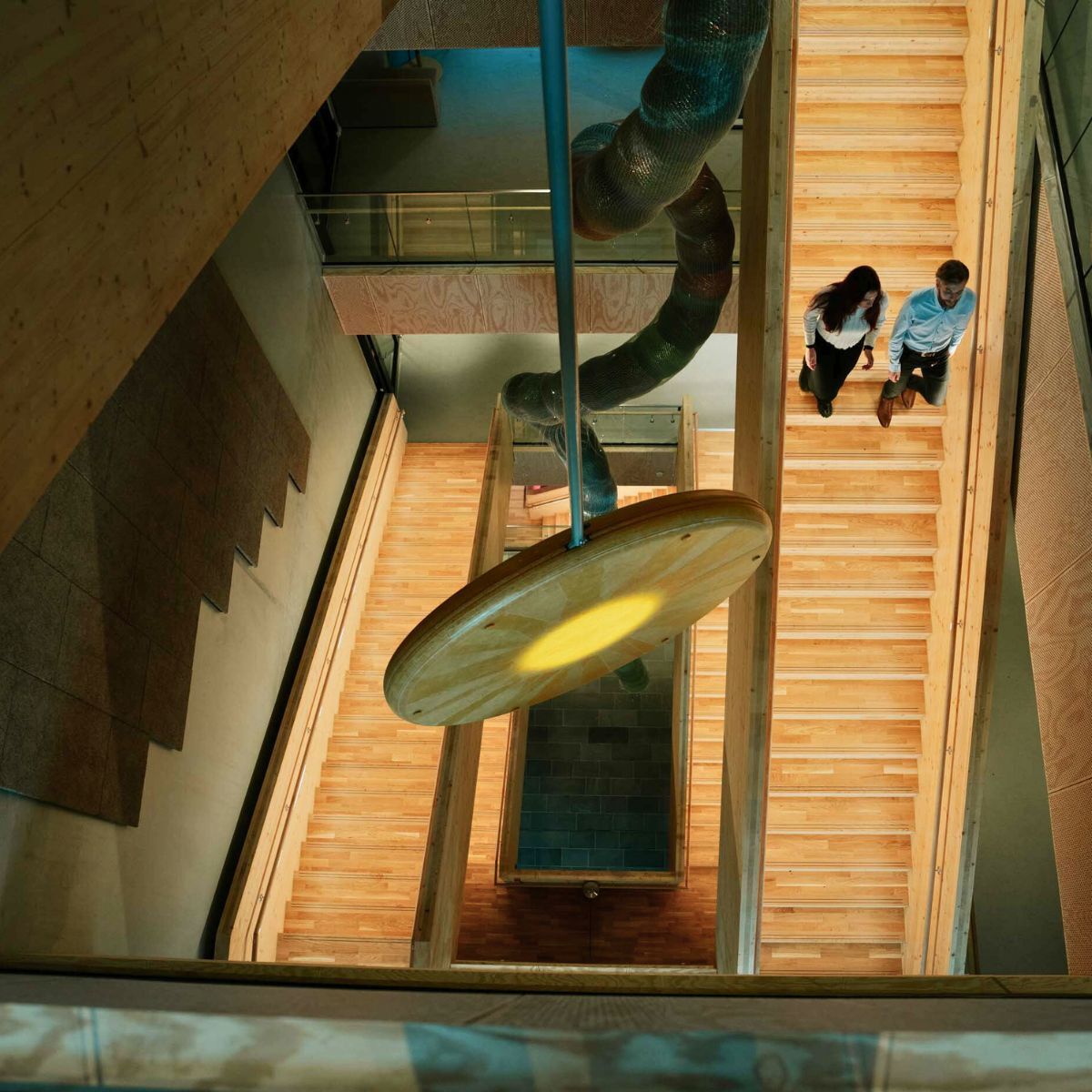
SoD_Science Hub_Interview_Antonia_Power-to-X_DTUV2_Daniel Rasmussen

DTU

np_sun_683627_000000
Science_hub_1817736410

SoD_Autumn 2024_newsletter_cargo bike

“At DTU, there is a strong culture of collaboration. 
You work across disciplines, and there is a close connection to industry.” 

Dr. Antonia Herzog, Assistant Professor from Germany,
working in Denmark.
np_multichat_4746708_12355B_white
SOD_Curiosity-campaign_framegrab_01

“At DTU, there is a strong culture of collaboration. 
You work across disciplines, and there is a close connection to industry.” 
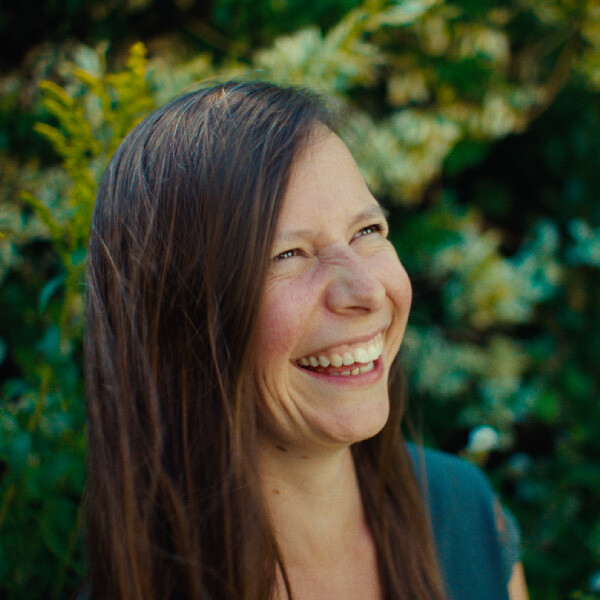
Dr. Antonia Herzog, Assistant Professor from Germany,
working in Denmark.
np_multichat_4746708_12355B_white

Building a future in Denmark

At DTU, Antonia focuses on sustainable electrosynthesis. Her goal is to develop new ways of producing essential chemicals using renewable energy instead of fossil resources.

At the same time, she is building her own research group and shaping an environment where curiosity and collaboration go hand in hand.

For her, Denmark offers more than a place to work. It offers a setting where research connects closely to real-world challenges.

And that is exactly what she was looking for.
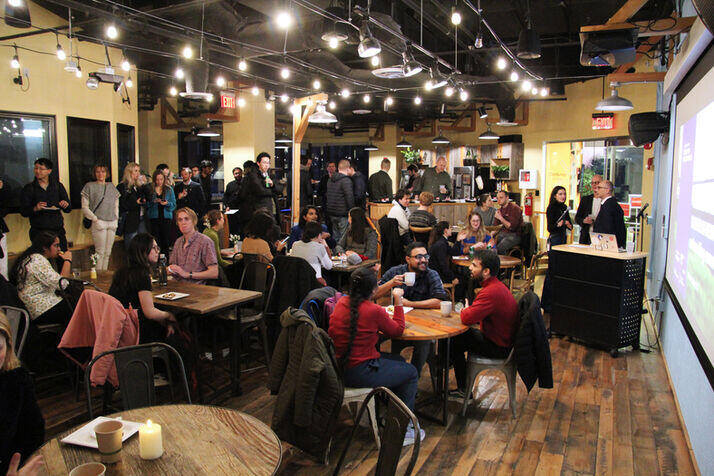
 

Image_MIT_Networking Event 2024_3

DTU

np_heart_4153725_000000
shane-rounce-vVi59H_l0Z4-unsplash_web